By John Springer
Court TV
ROAD TOWN, British Virgin Islands
Did four clean-cut American pals
kill Lois McMillen, a former model from an affluent Connecticut family, by
drowning the 34-year-old artist in shallow water along the shore of Sir
Francis Drake Channel?
Was it a rush to judgment when police charged the men with murder because
one investigator saw what he believed to be blood on a shirt and found three
pairs of wet and sandy shoes?
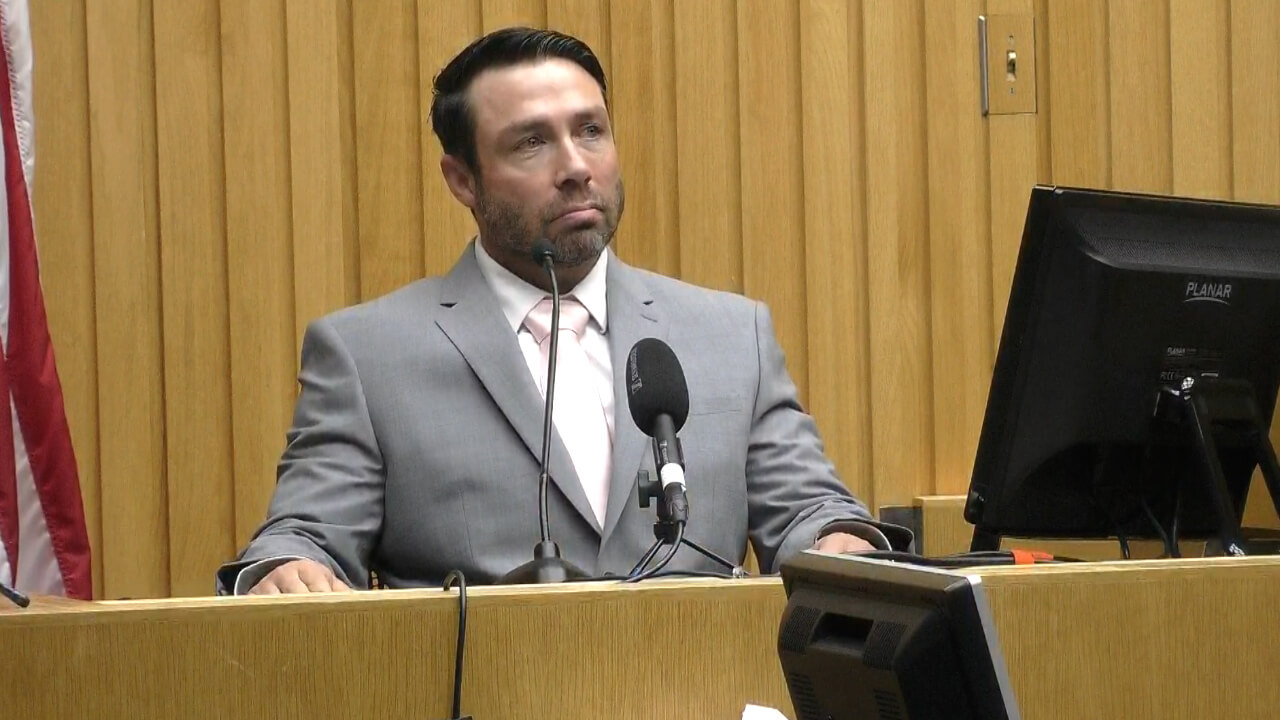
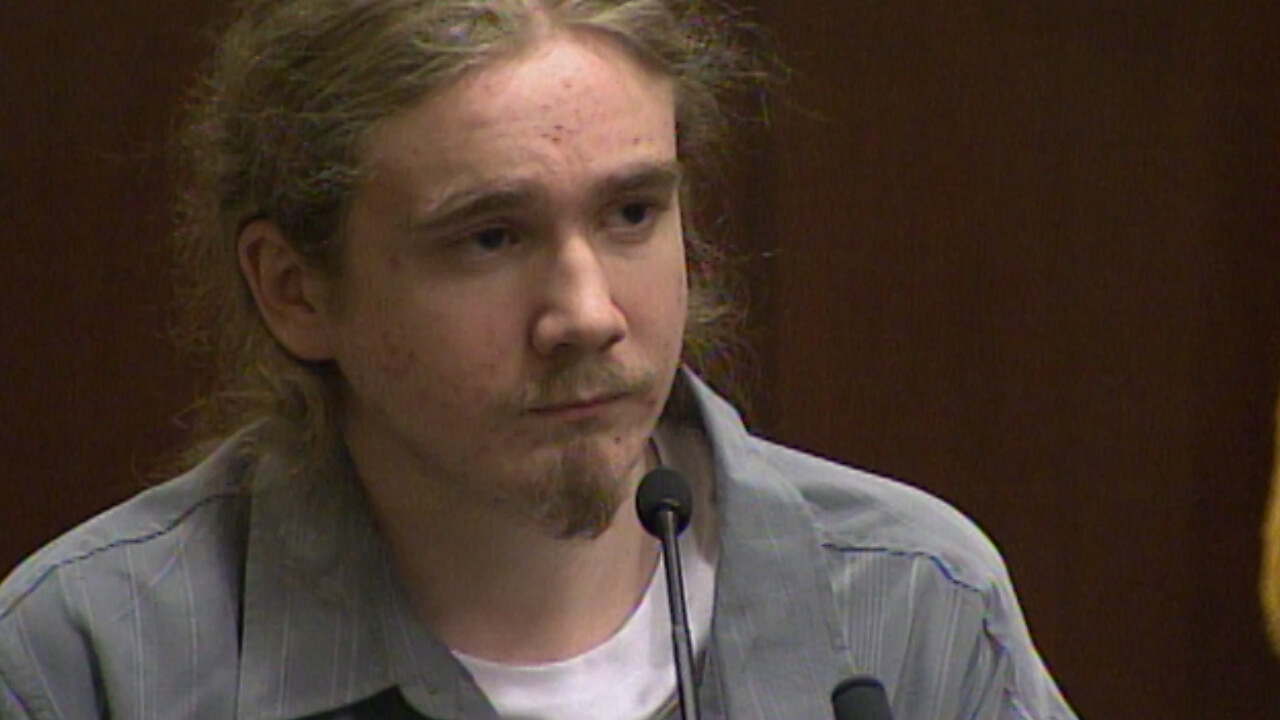
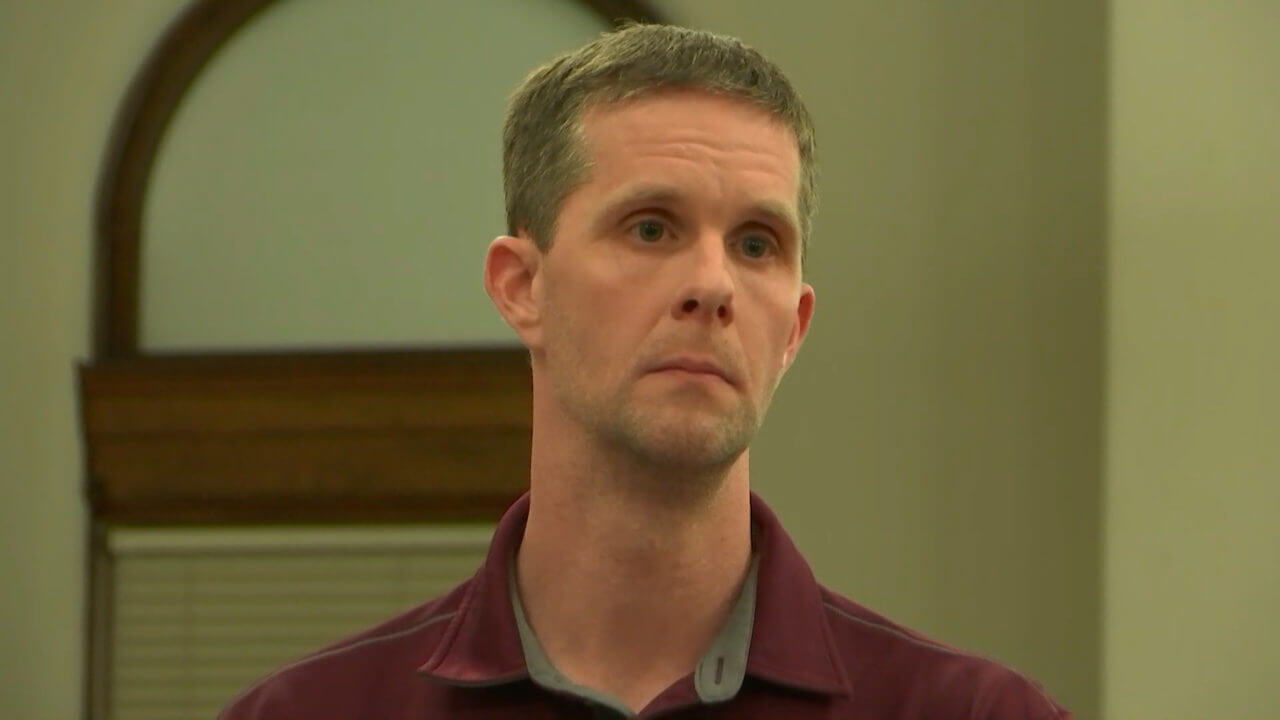
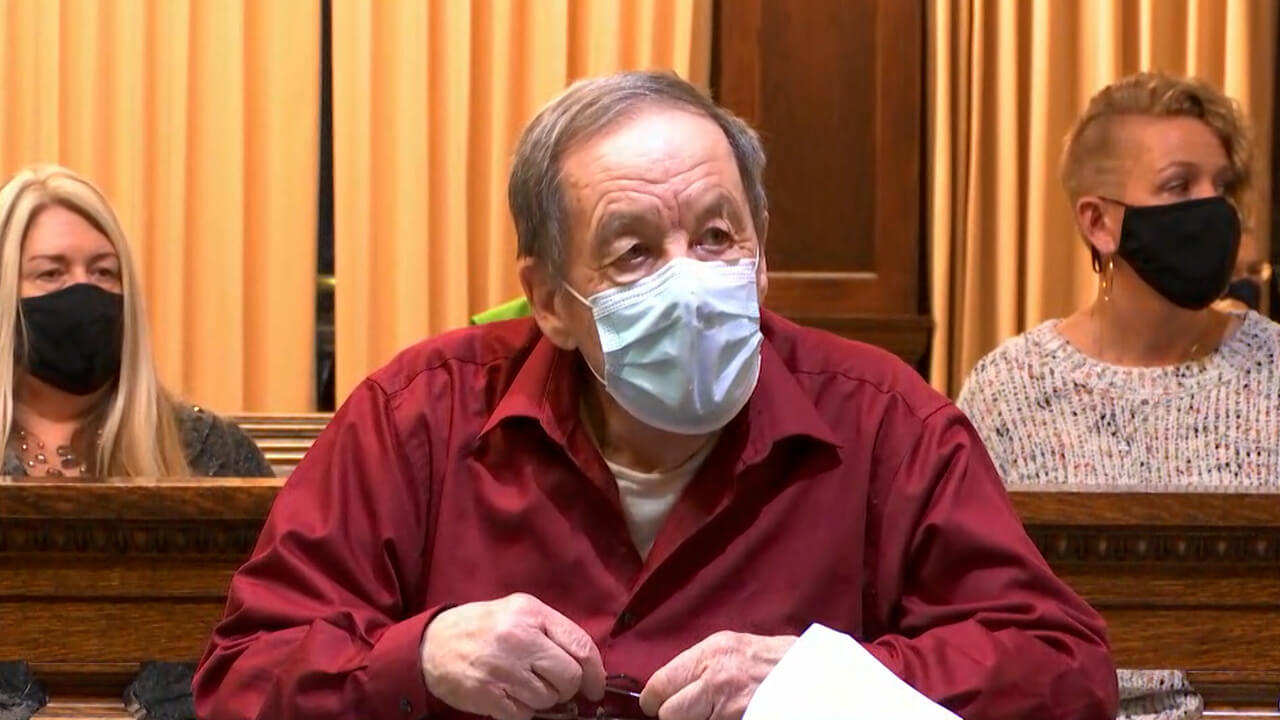
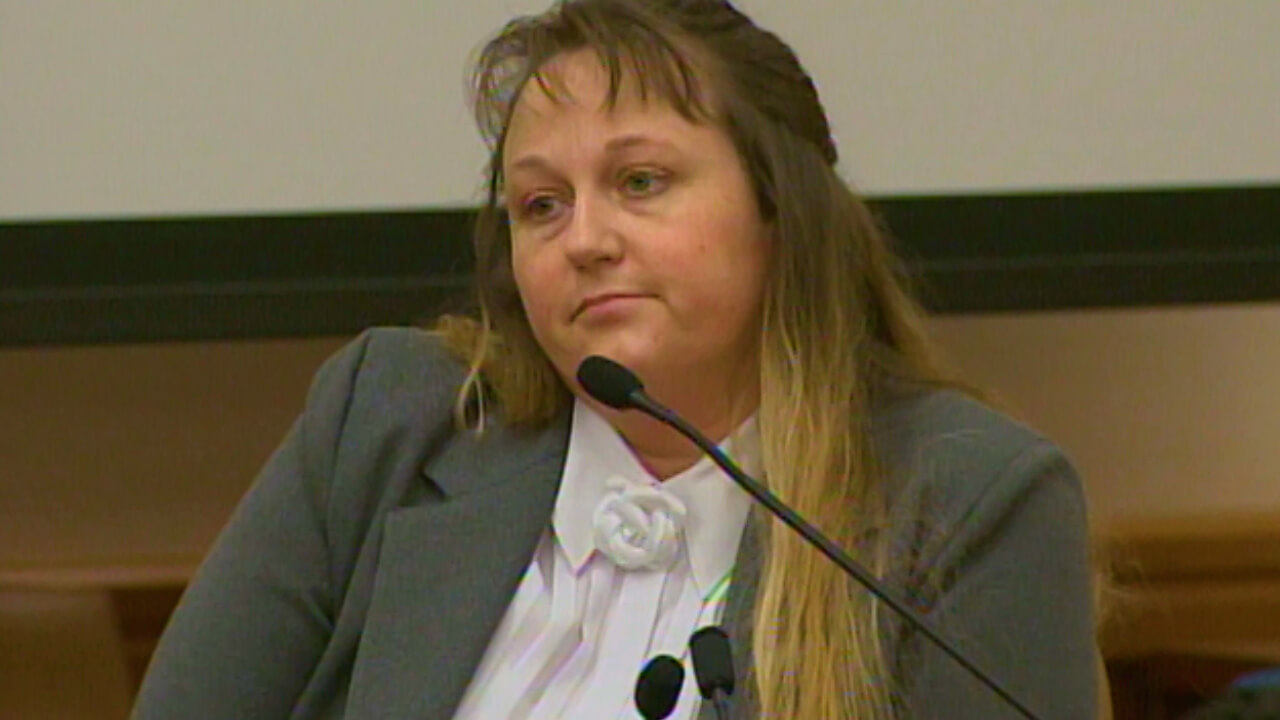
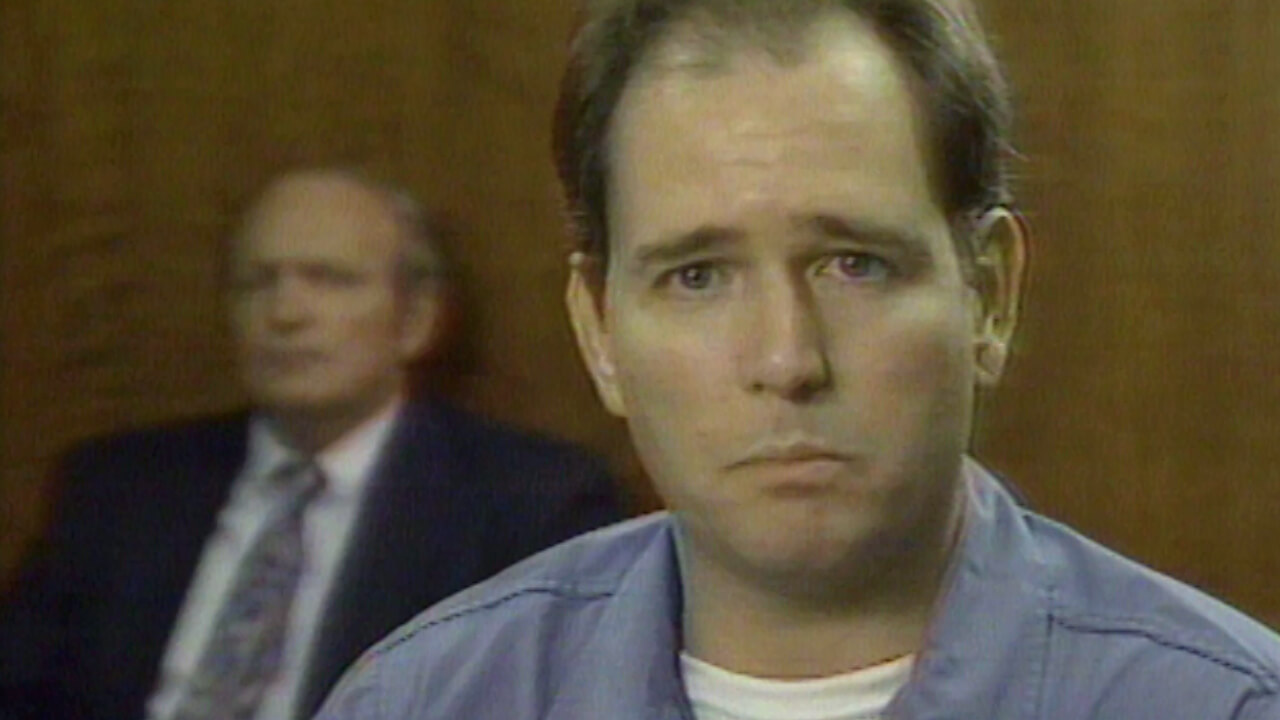
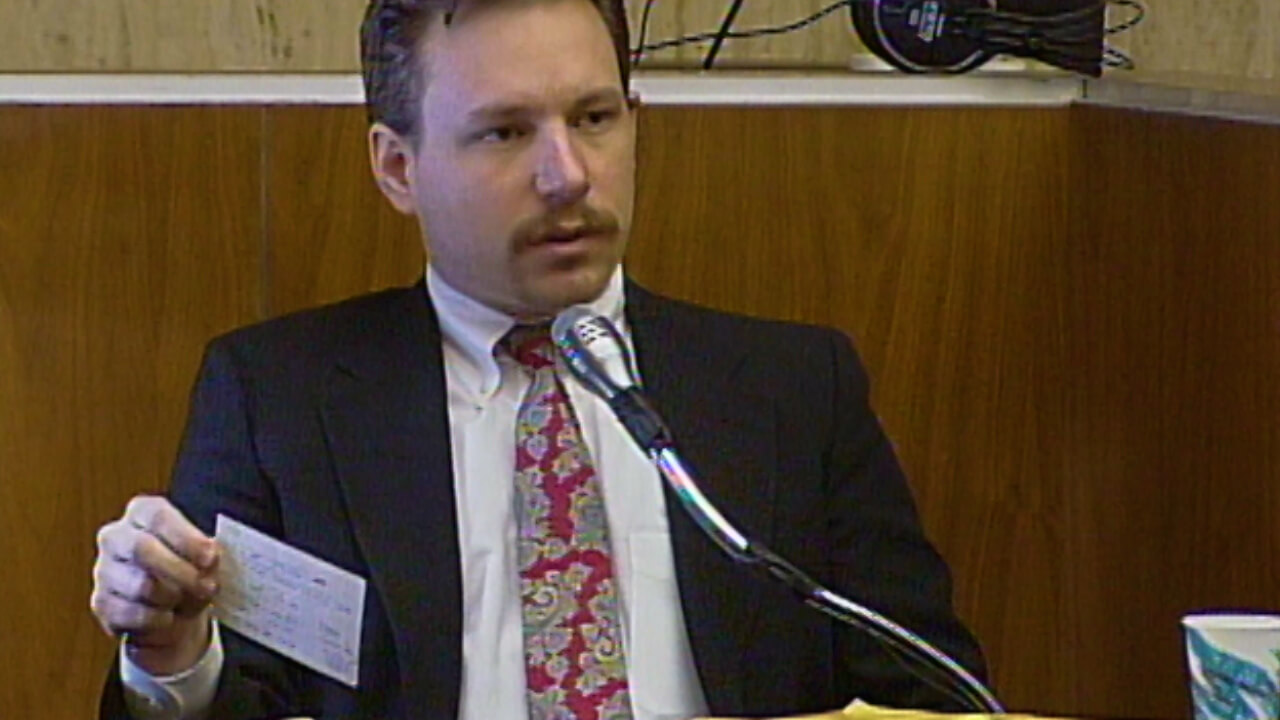
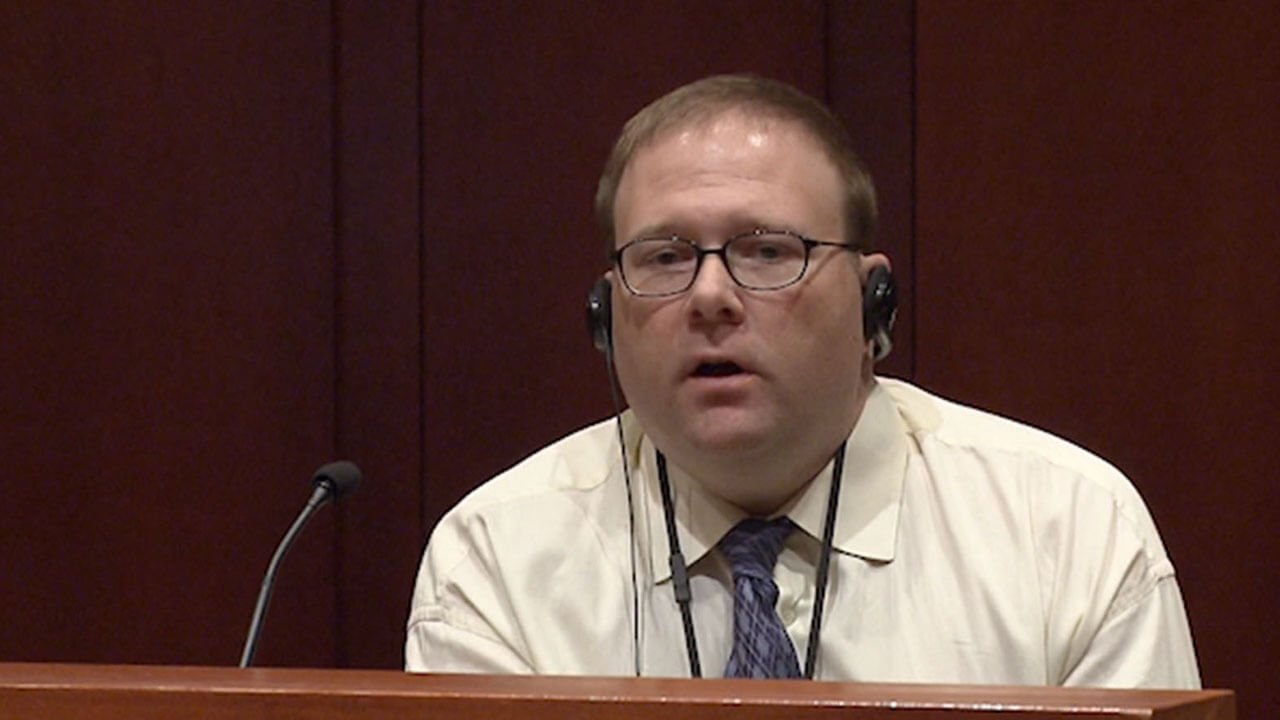
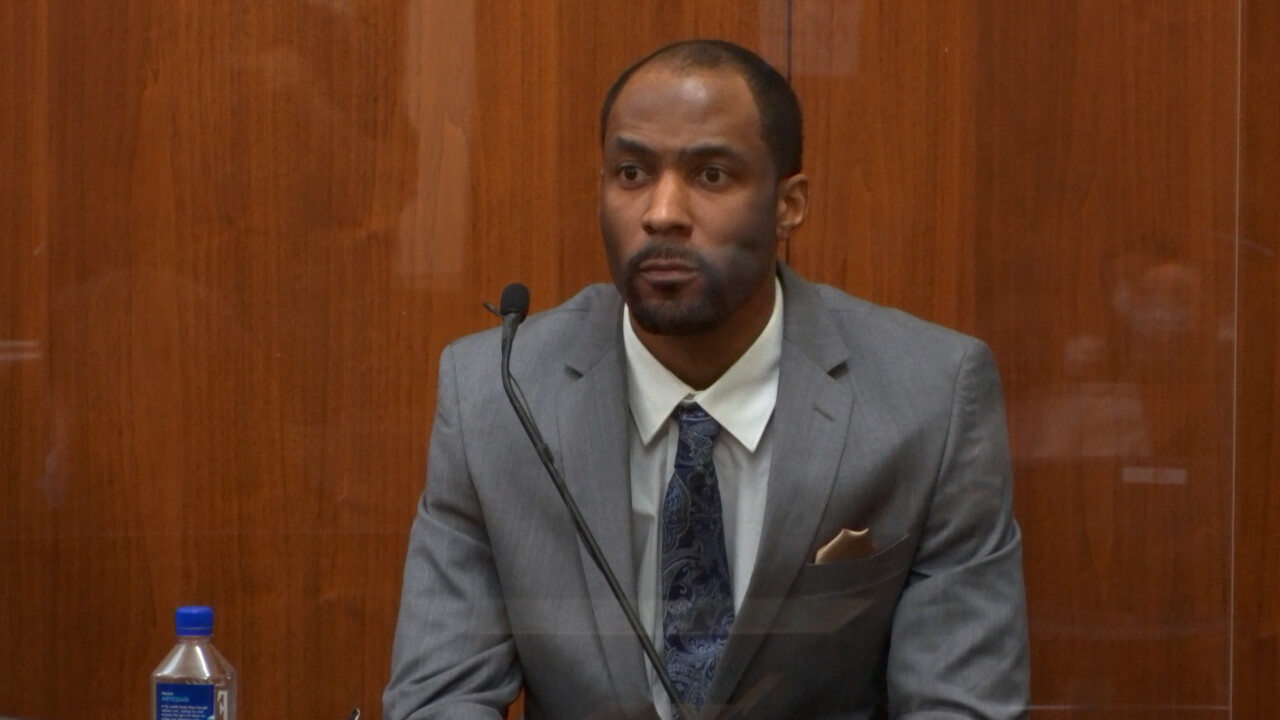
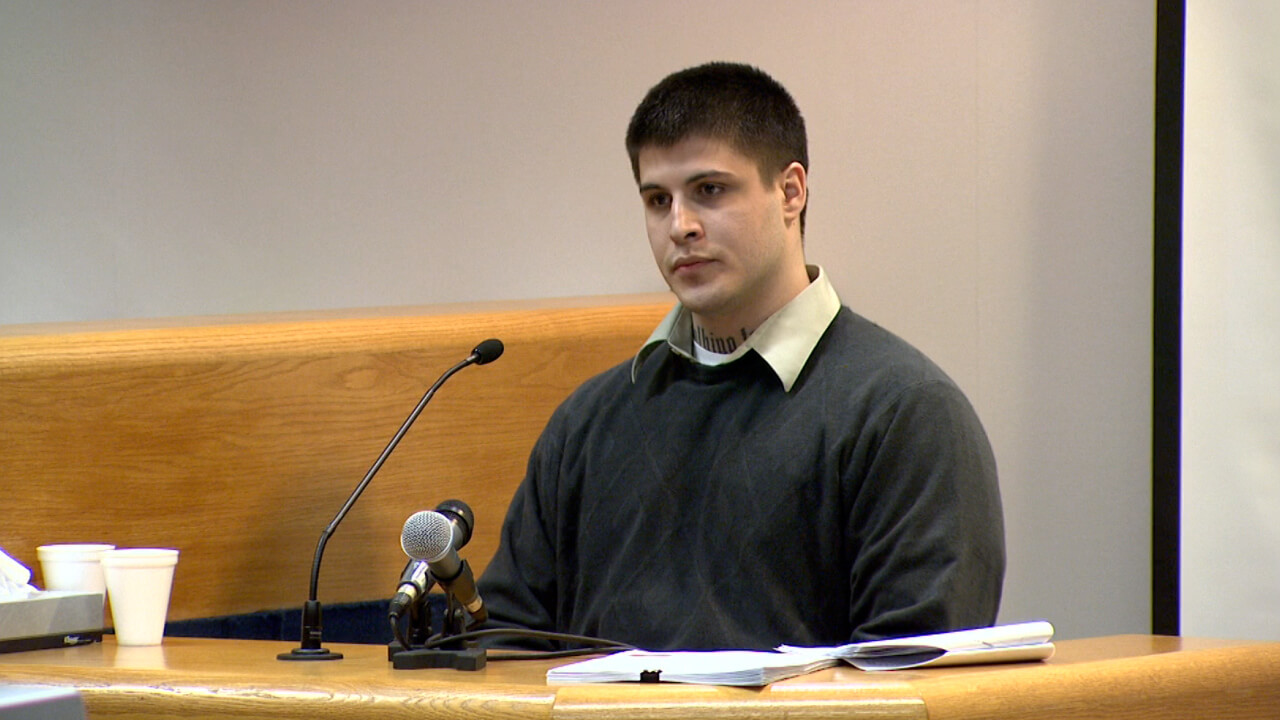
And what about Jeffrey Plante, the 59-year-old convicted felon and parole
"absconder" from Texas who claimed one of the men confessed in prison? Would
a reasonable person believe the testimony of a con man who, just five years
earlier, testified that a fellow inmate in Hawaii admitted he was at the
scene of a murder he was charged with committing?
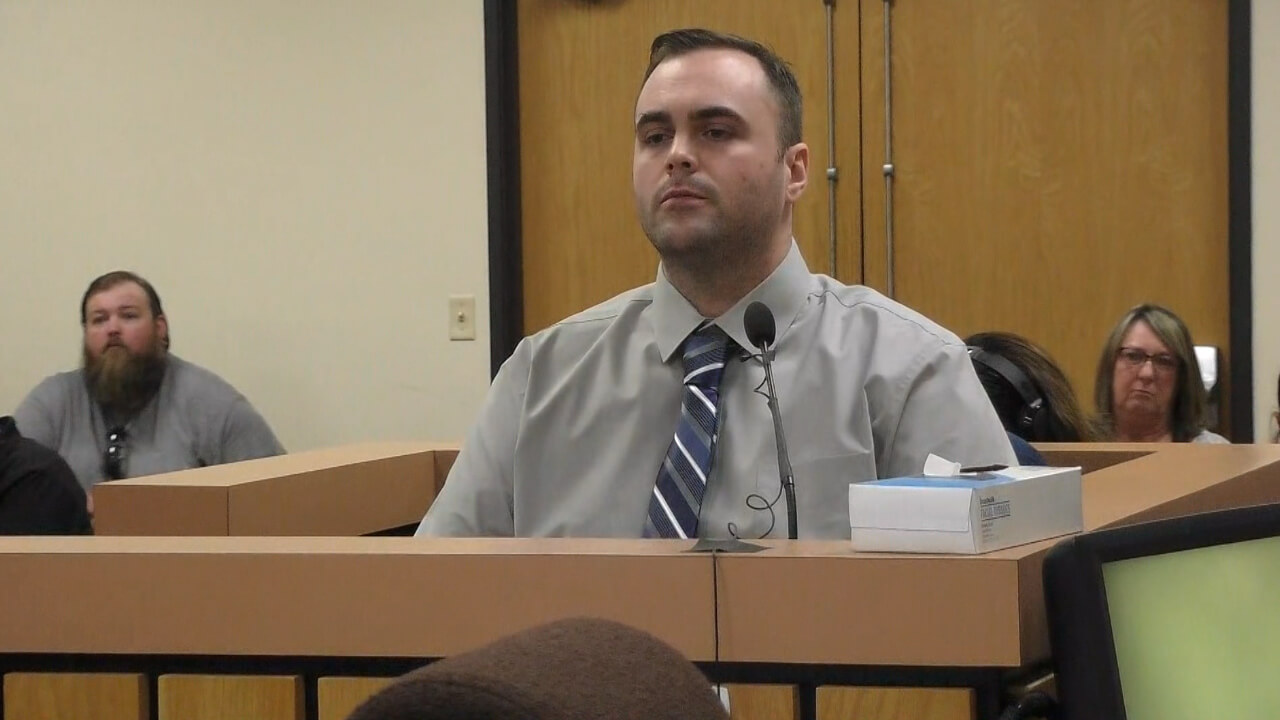
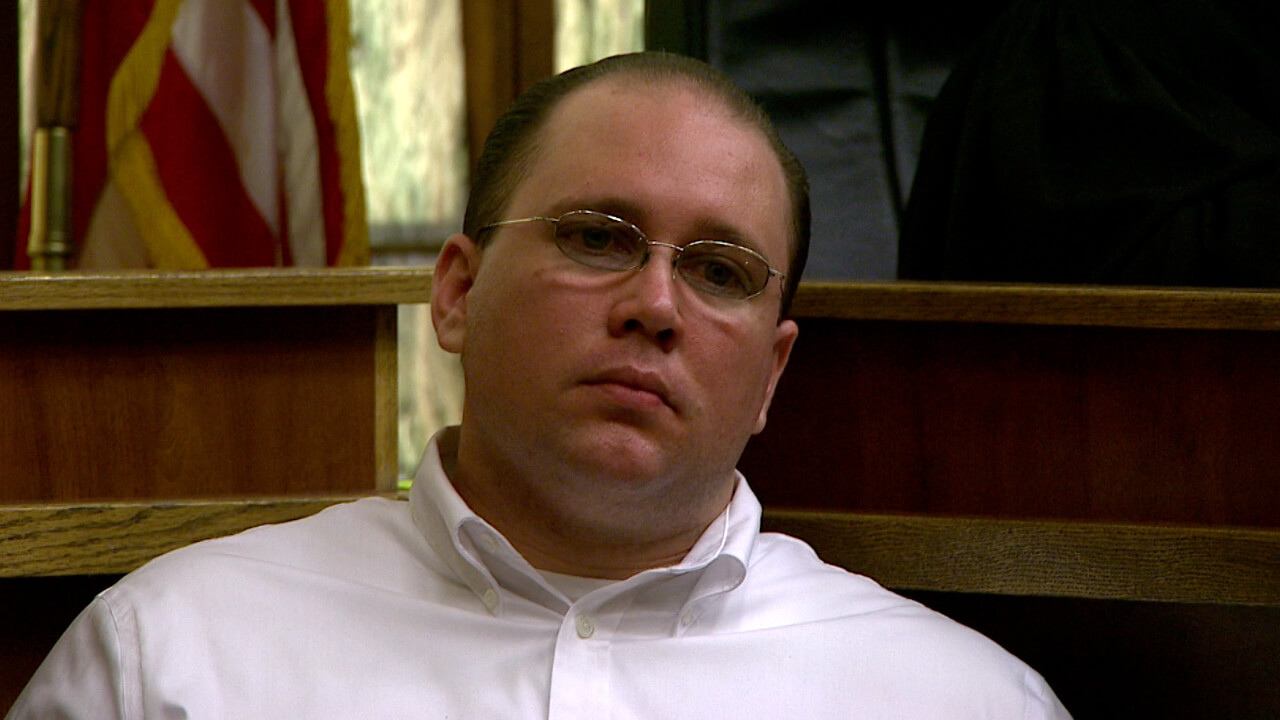
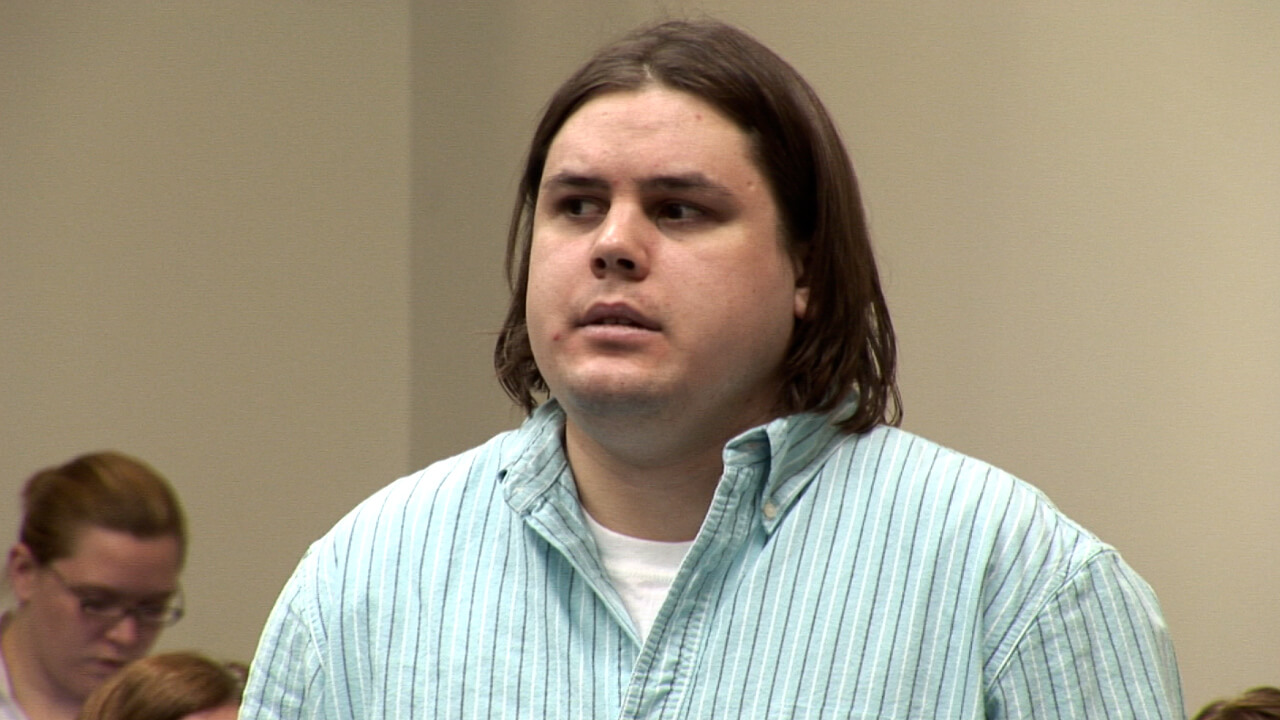
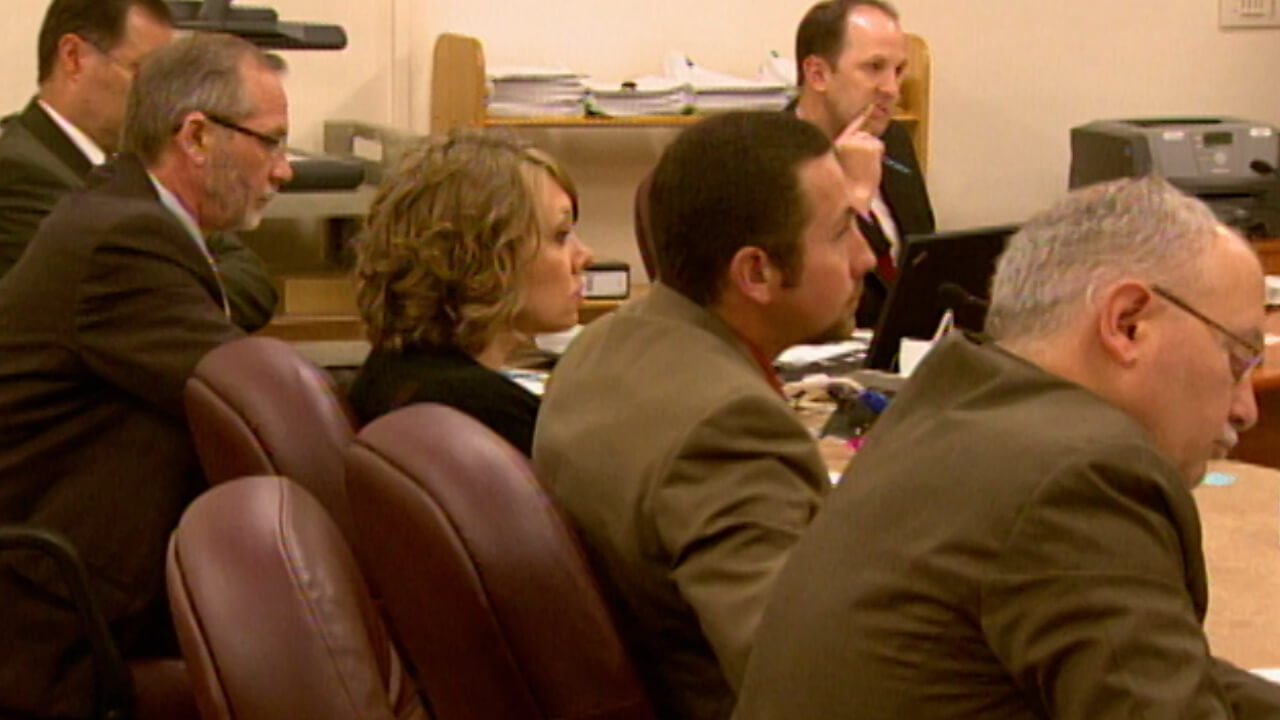
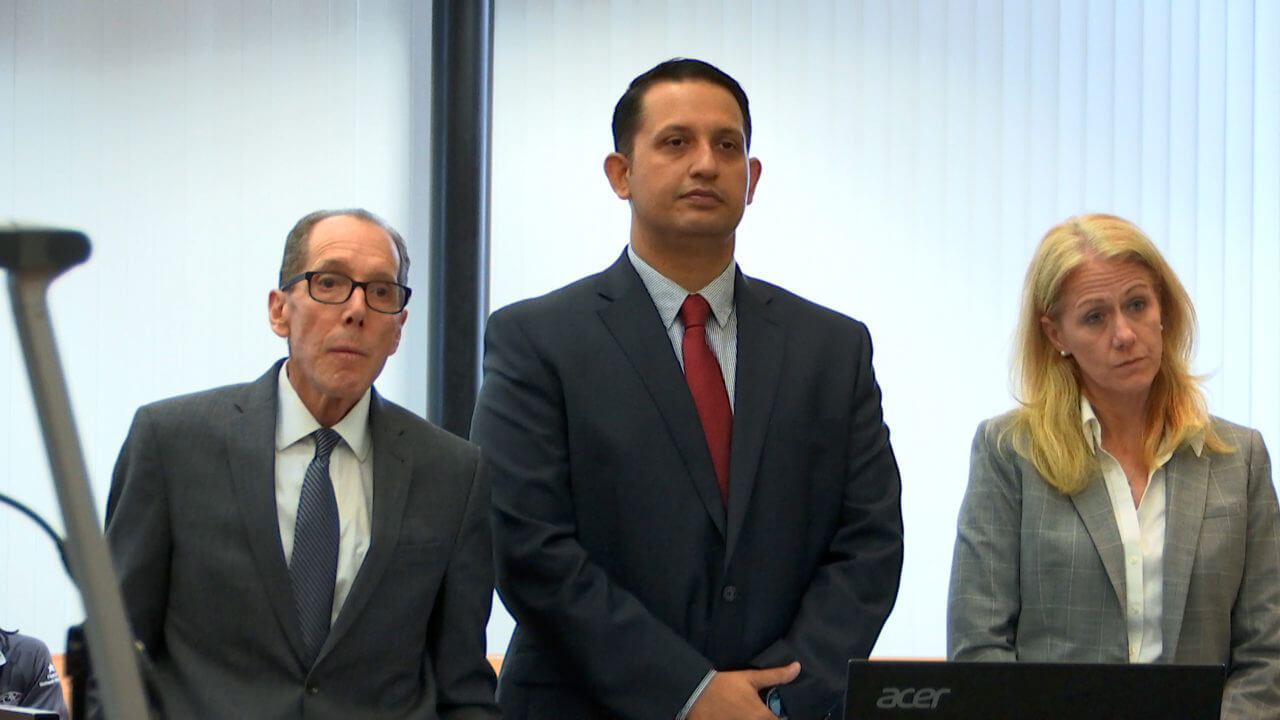
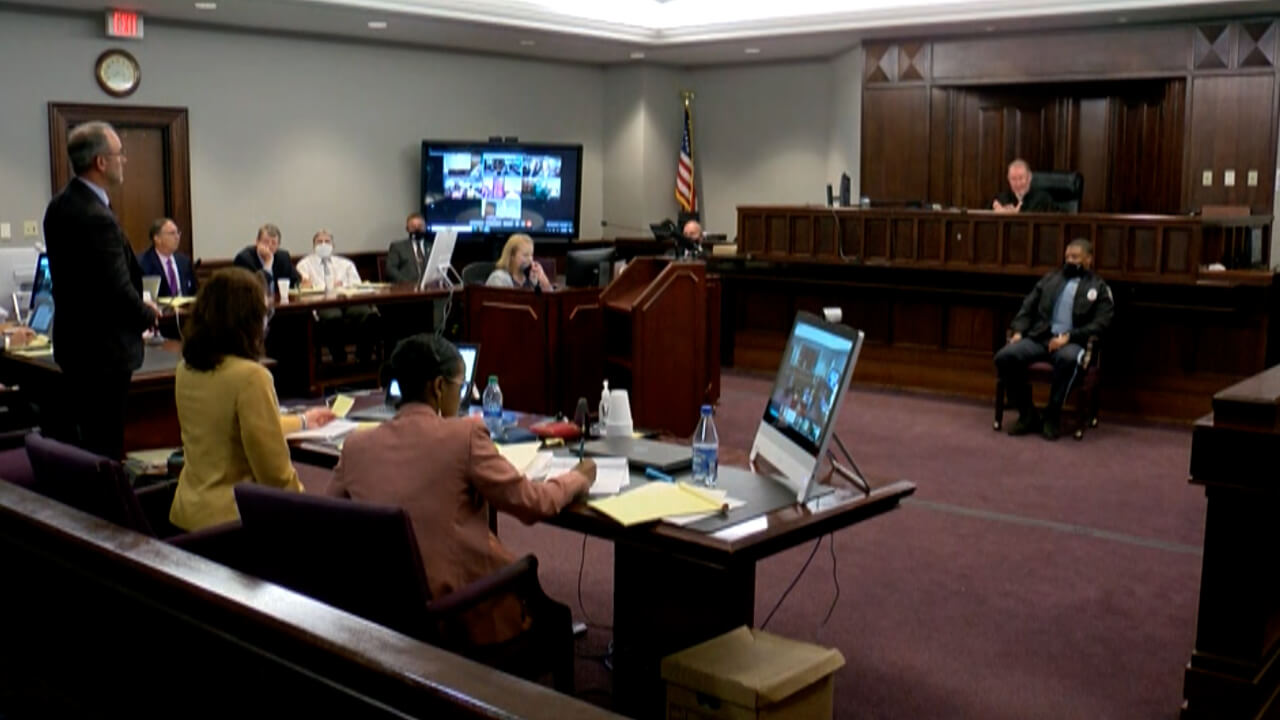
At this point in the month-old trial on the island of Tortola, it no longer matters in a legal
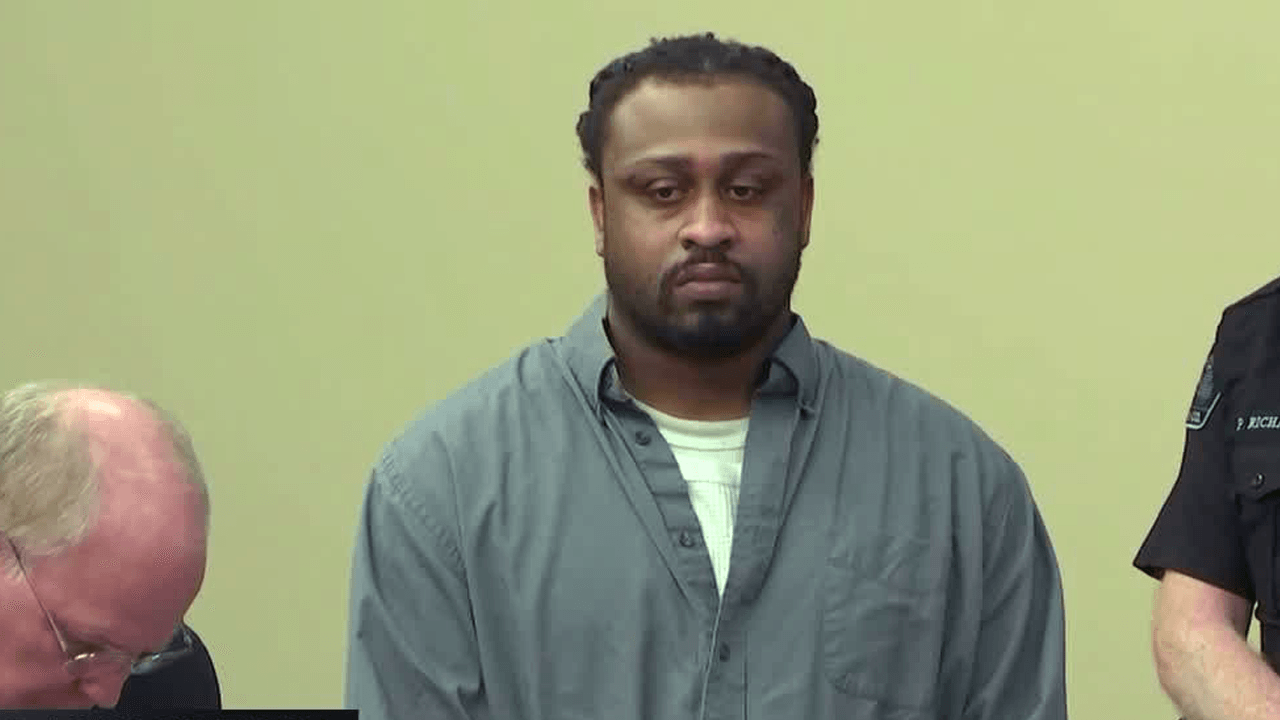
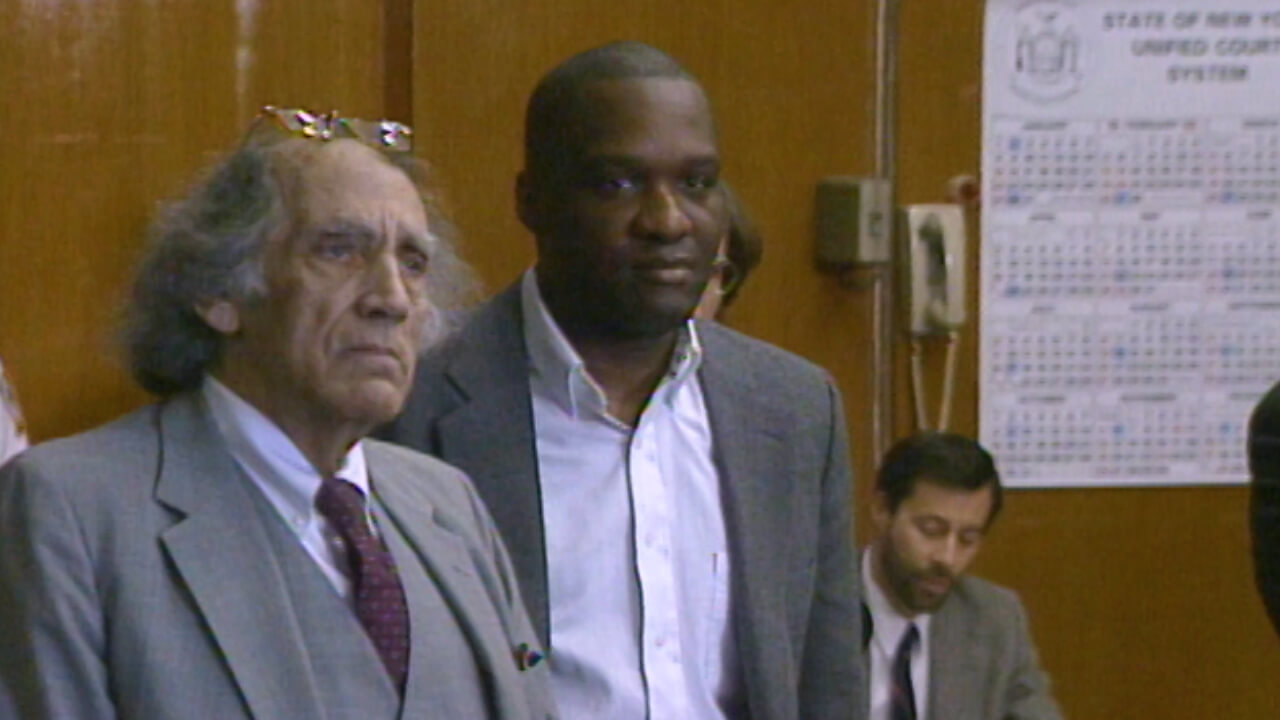
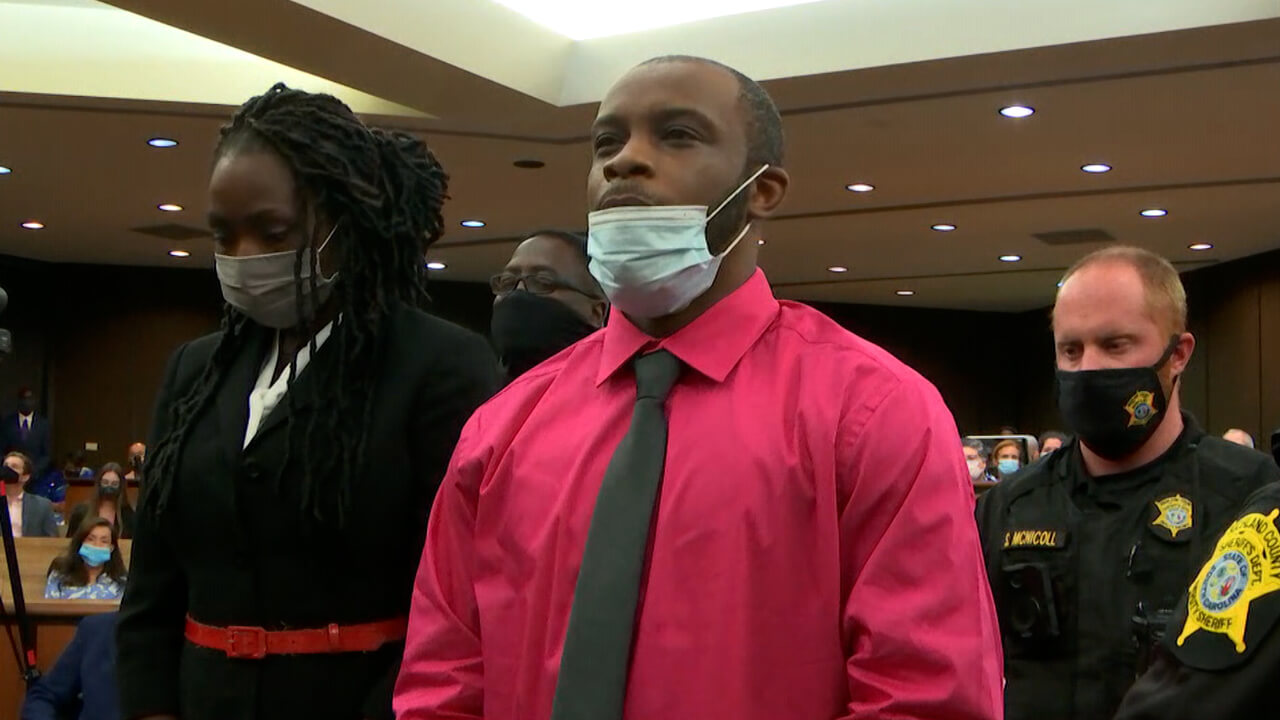
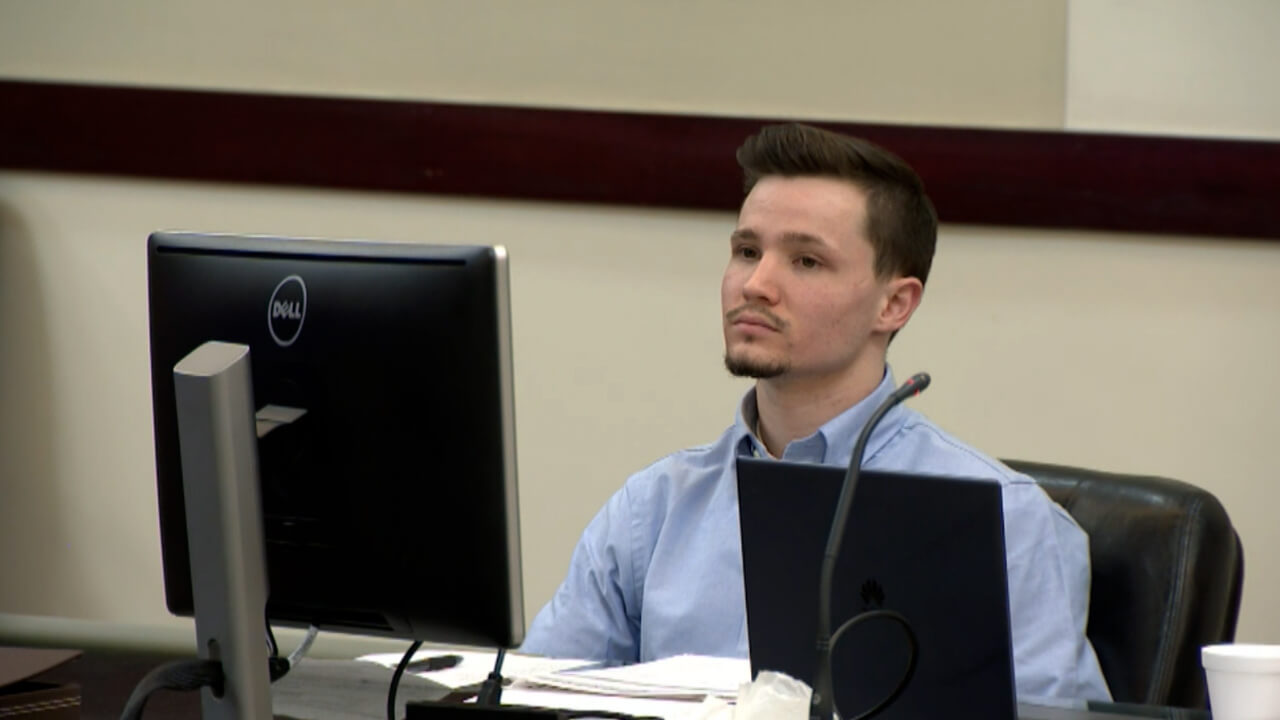
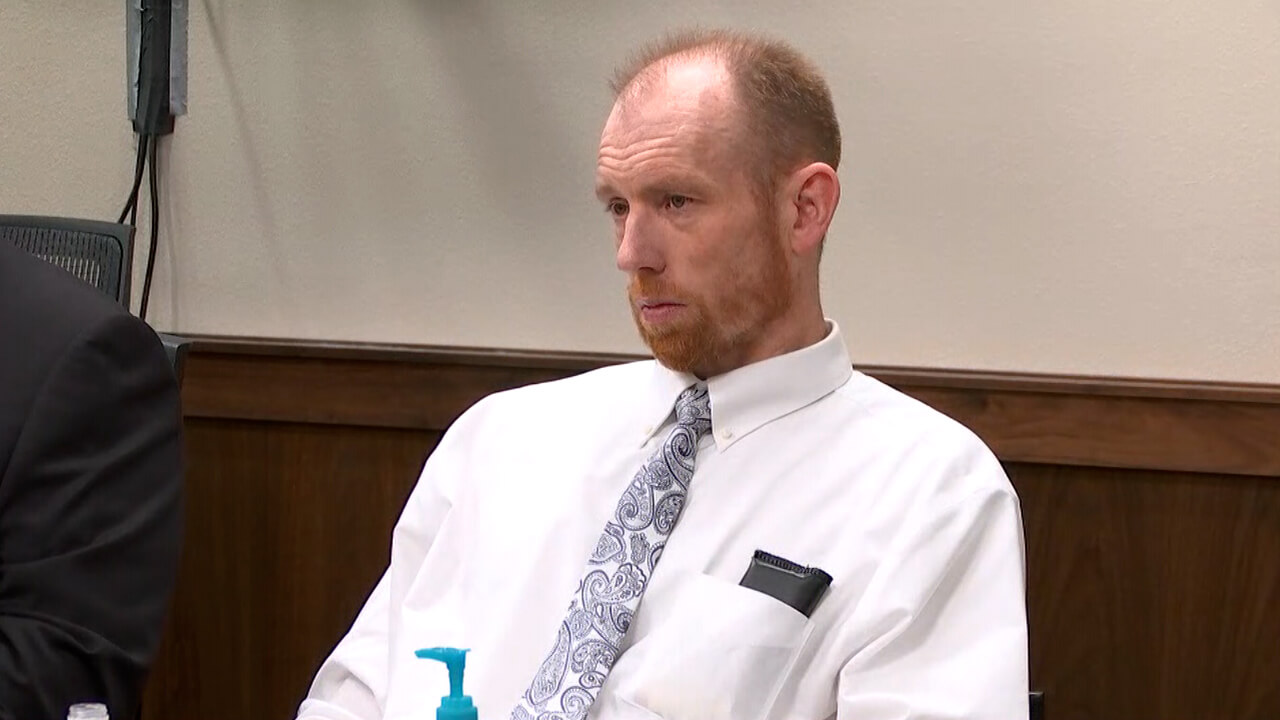
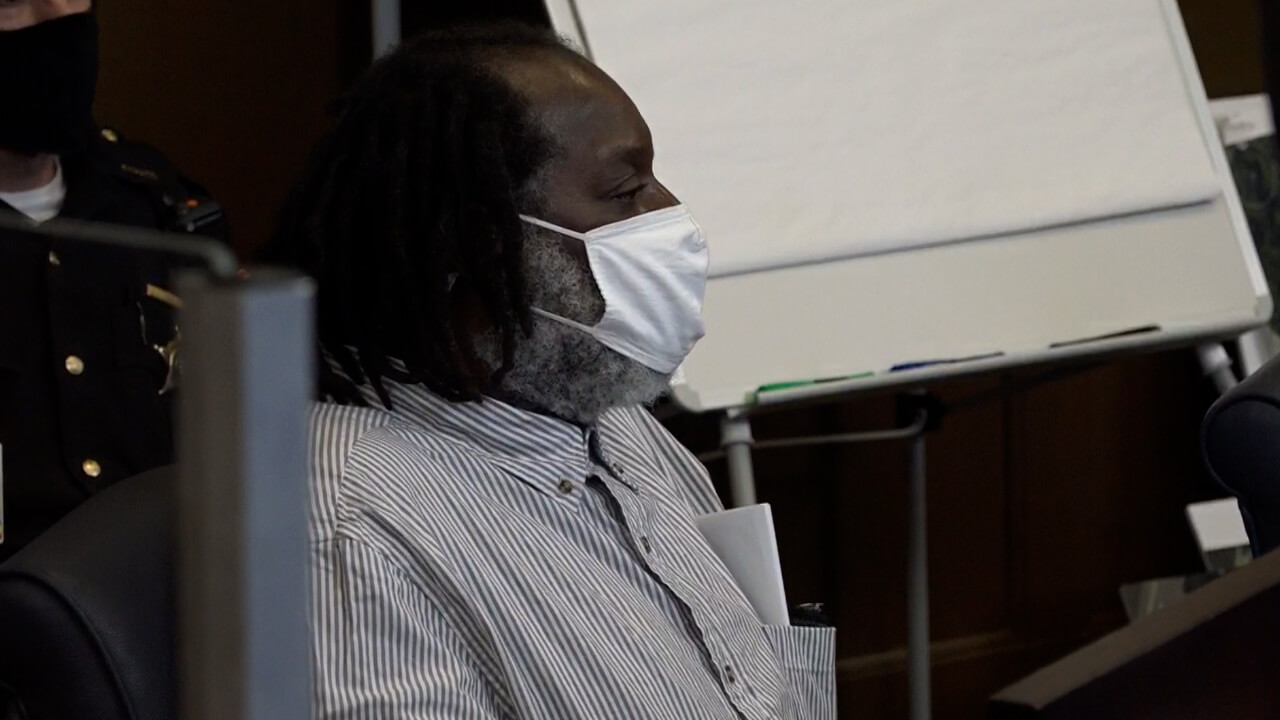
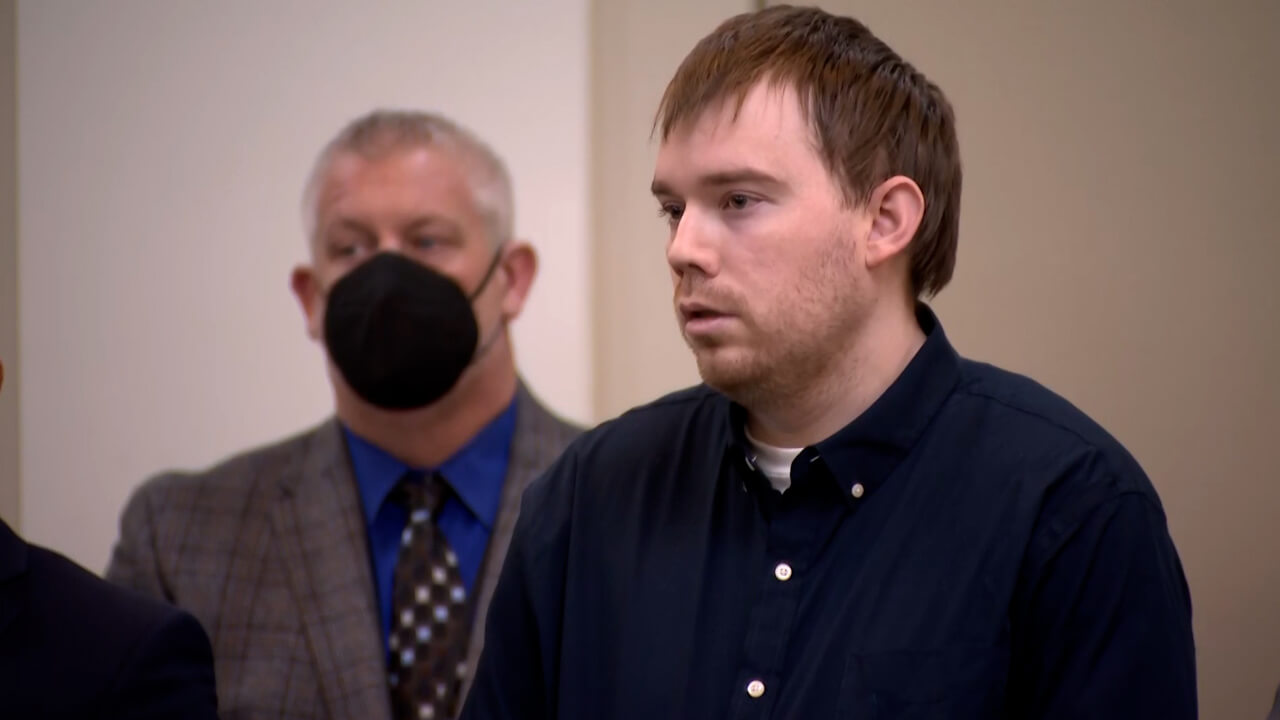
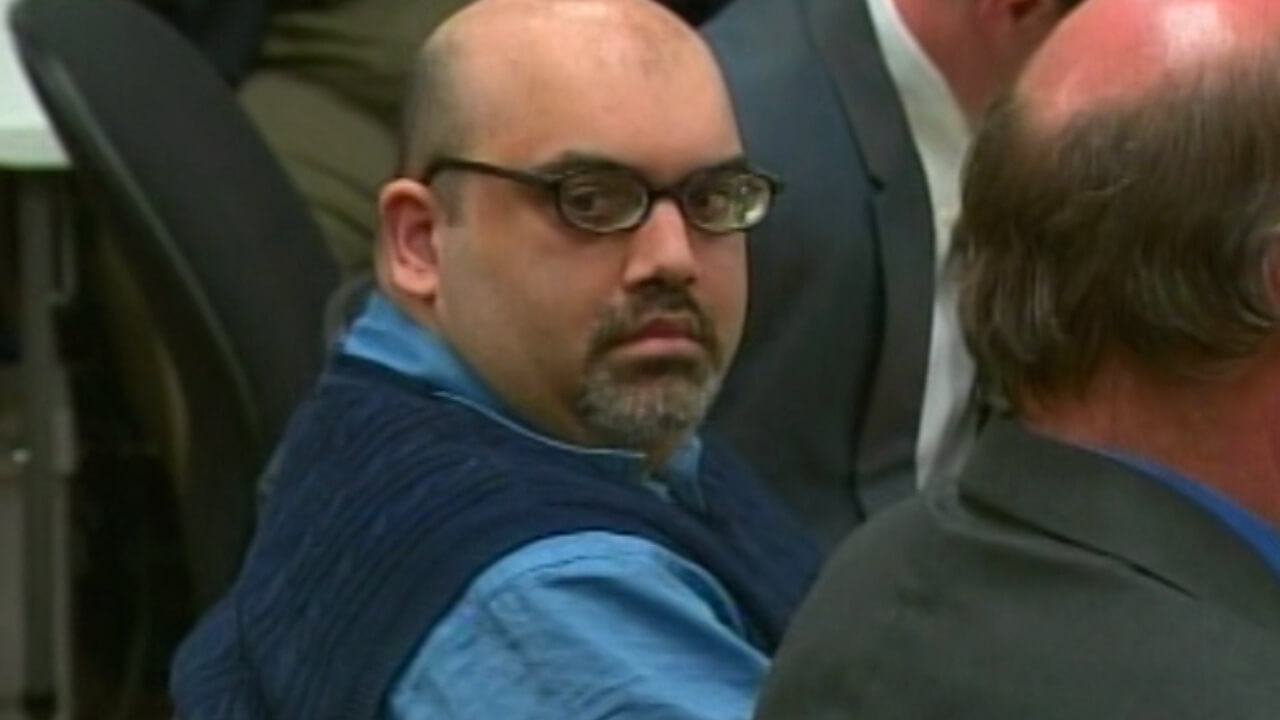
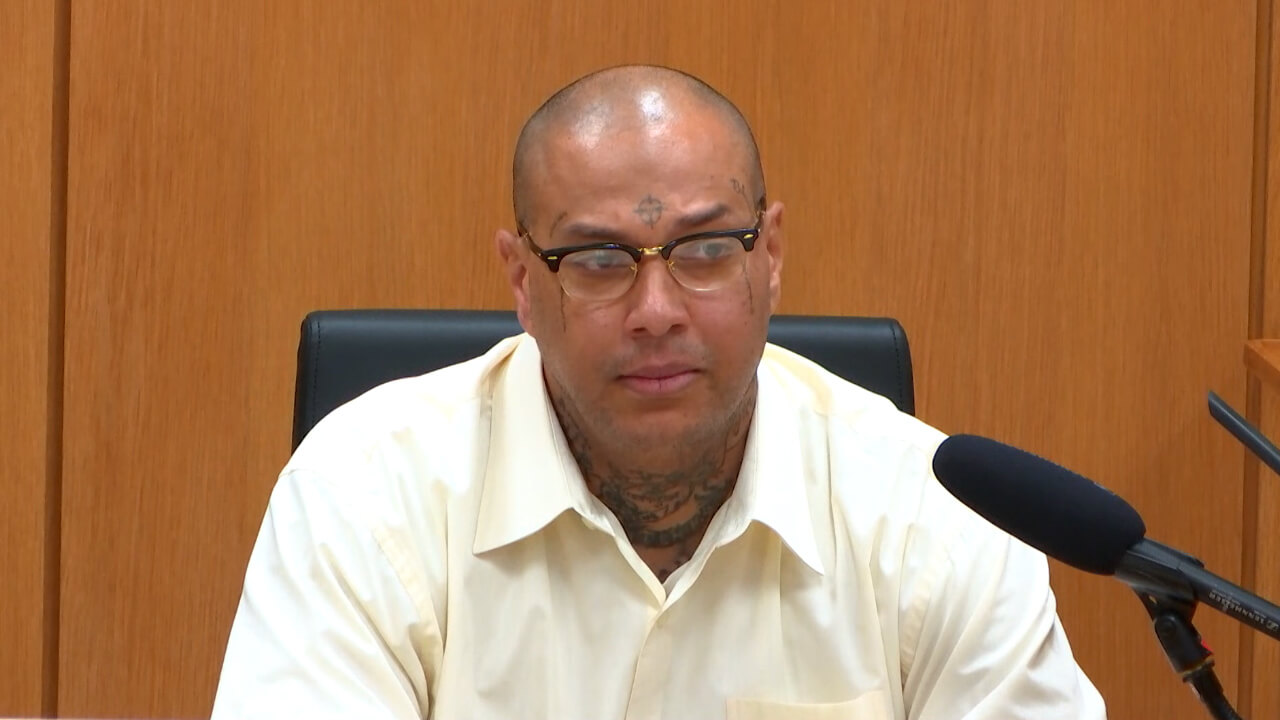
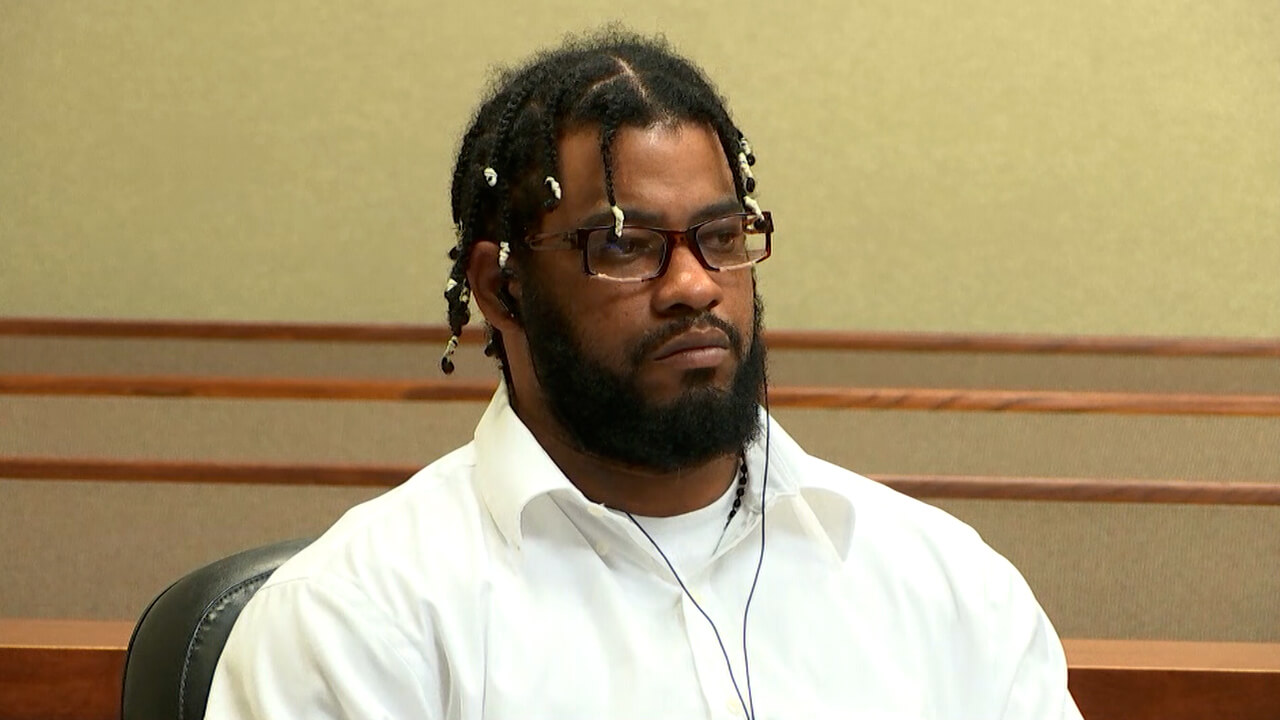
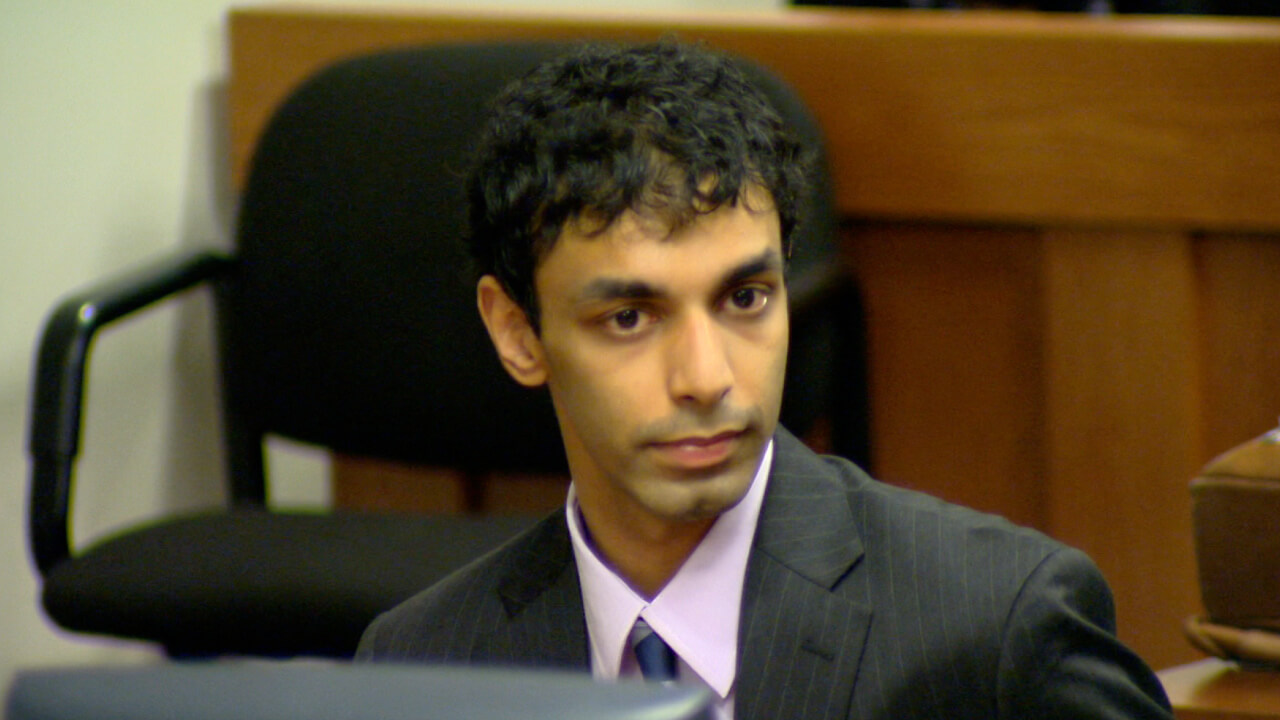
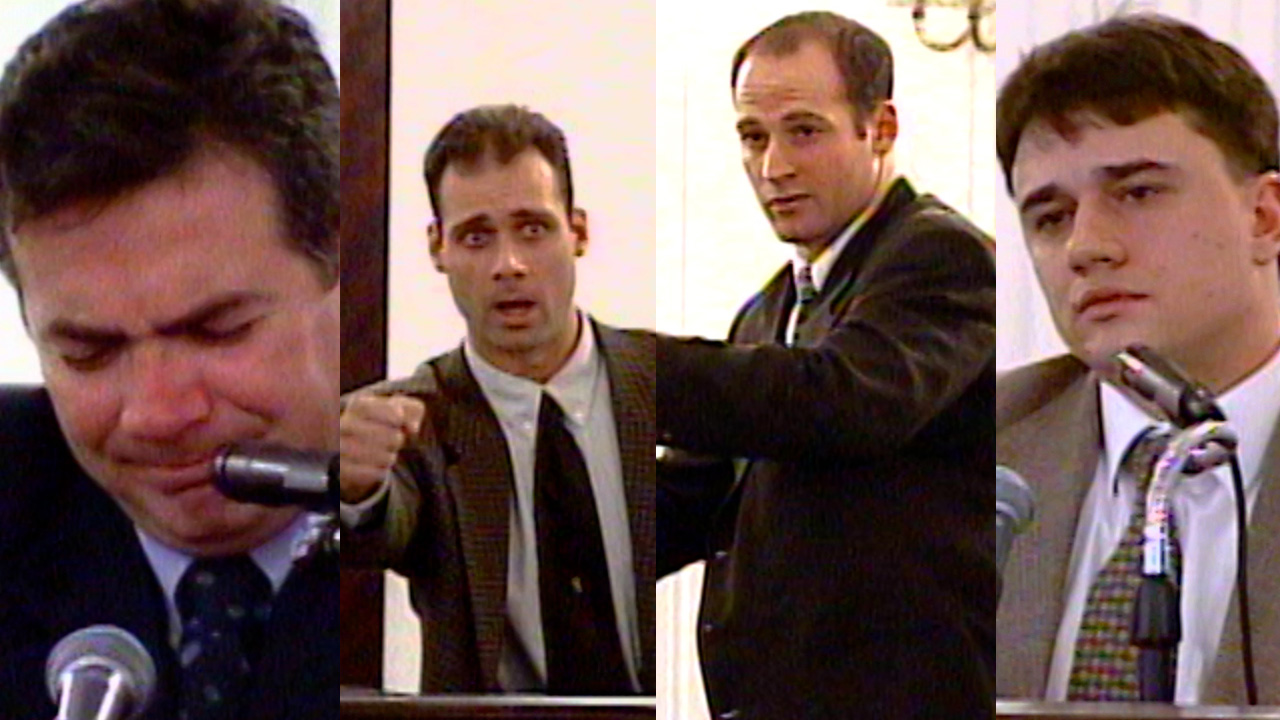
sense, anyway whether defendants William Labrador, Michael Spicer,
Alexander Benedetto and Evan George killed McMillen. The question now at
this juncture is whether the prosecution presented
sufficient evidence to prove they did.
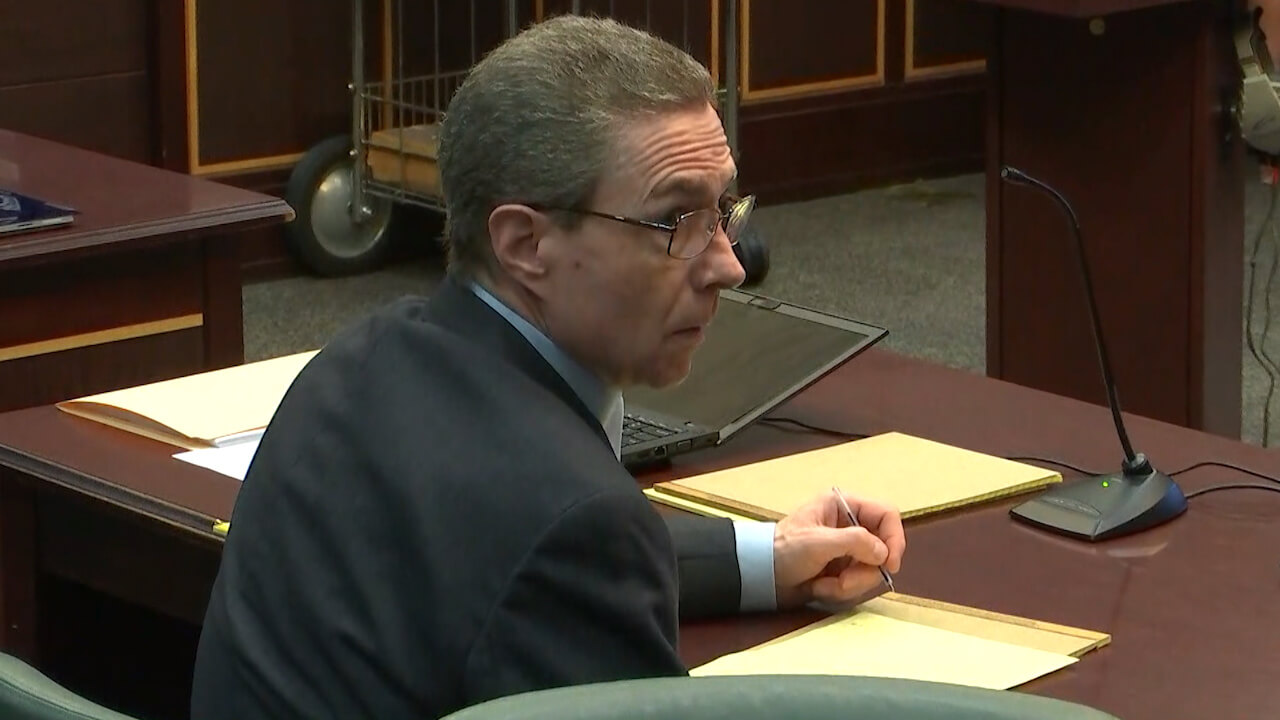
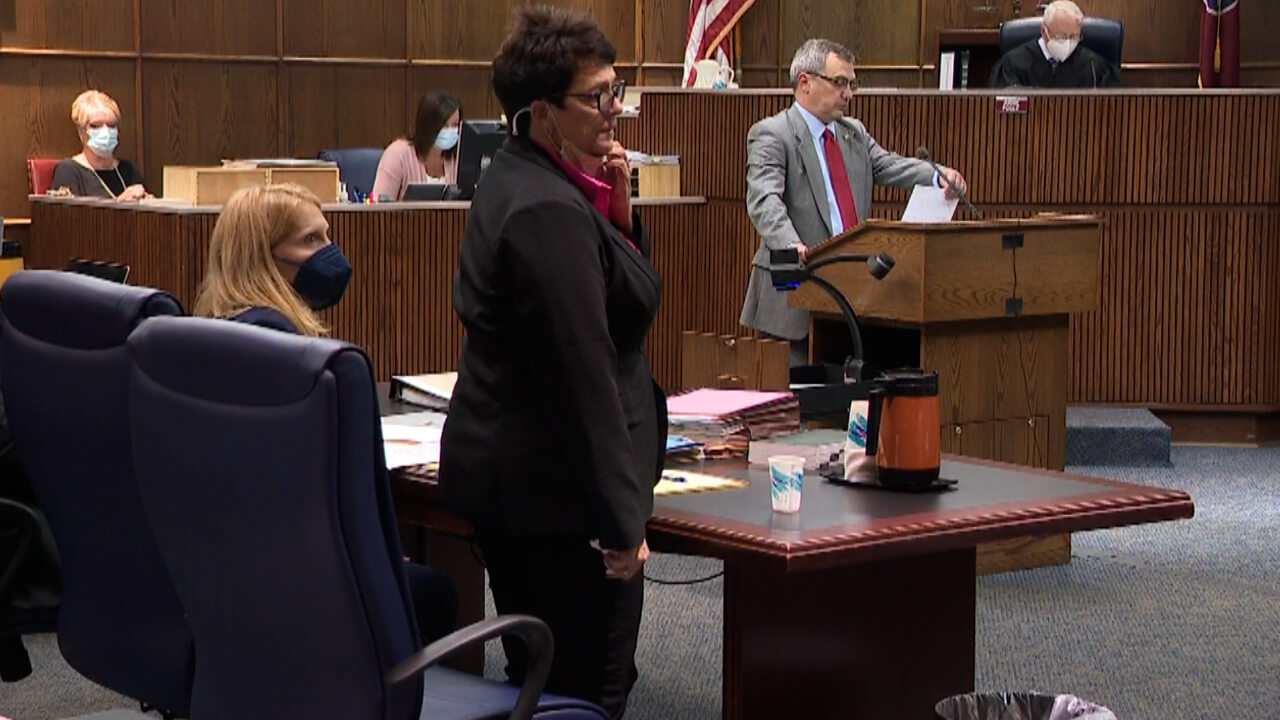
High Court Justice Kenneth Benjamin has many weighty issues to consider
before he rules this week whether prosecutors Theodore Guerra and Terrence
Williams presented even a bare minimum of credible circumstantial and
physical evidence for a jury to deliberate.
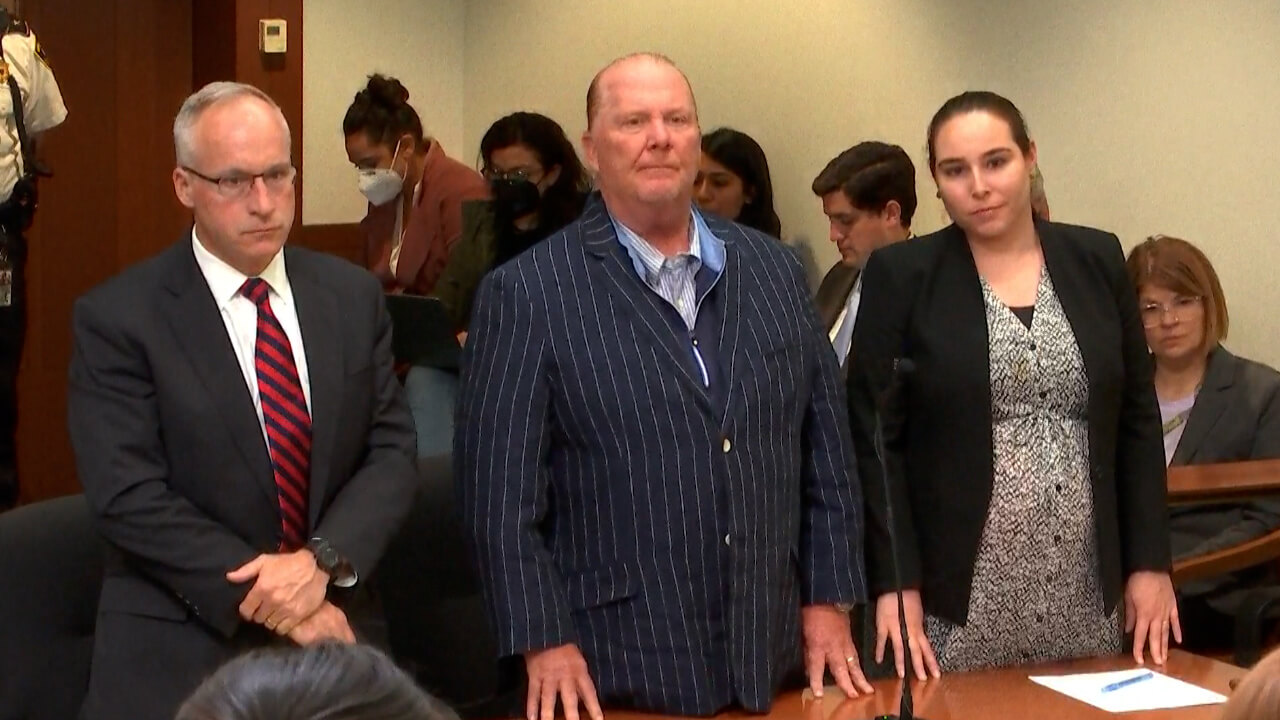
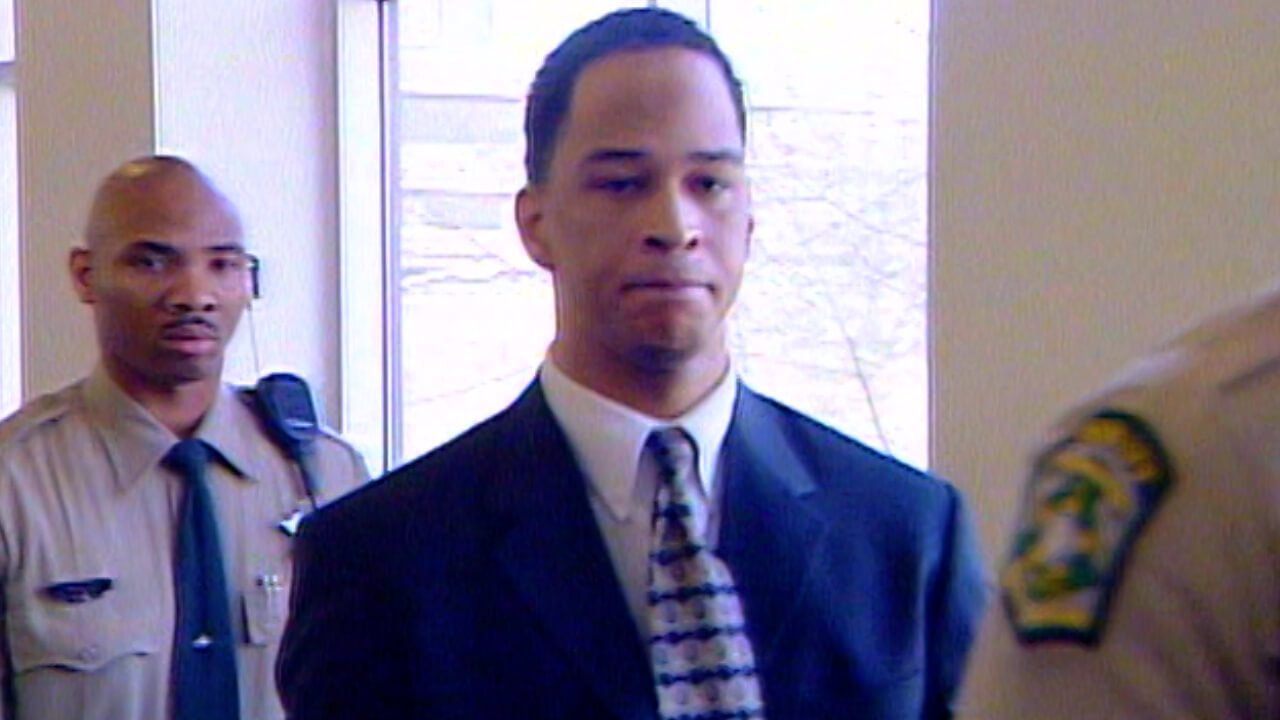
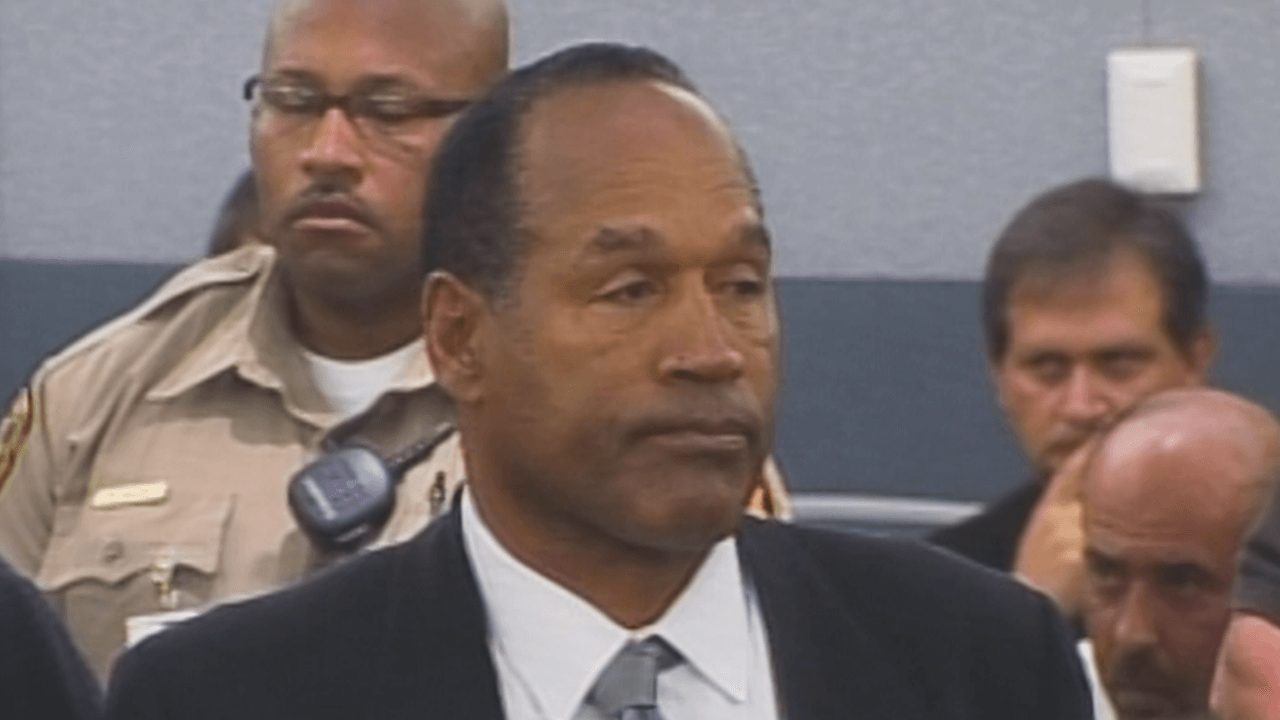
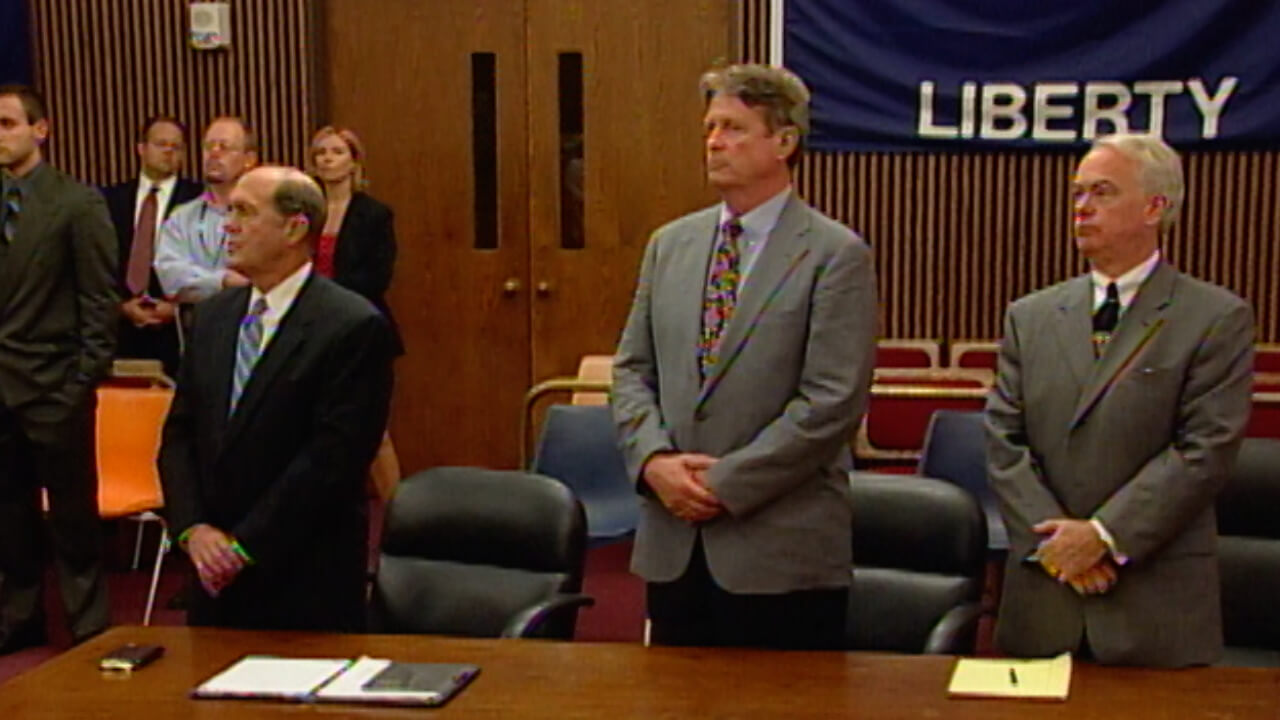
Defense lawyers argued last week that the murder charges against William
Labrador, Michael Spicer, Alexander Benedetto and Evan George should not be
put before the seven women and two men of the jury empaneled here on April
2.
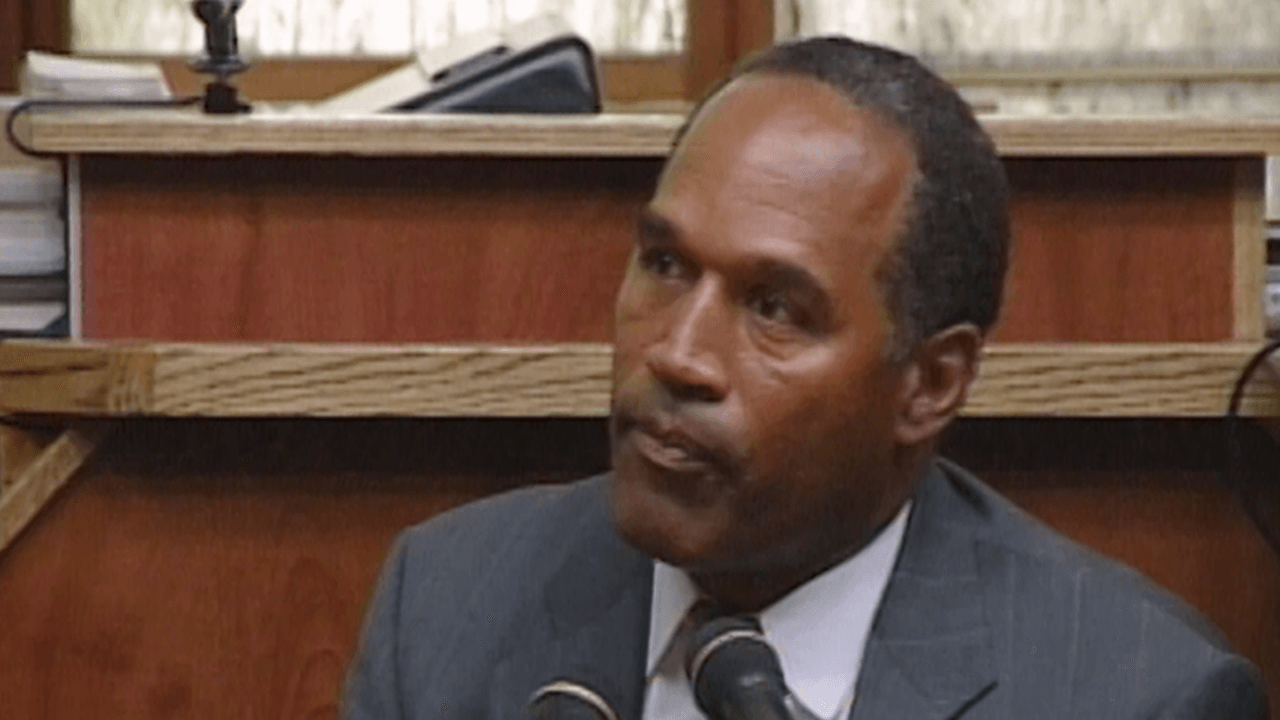
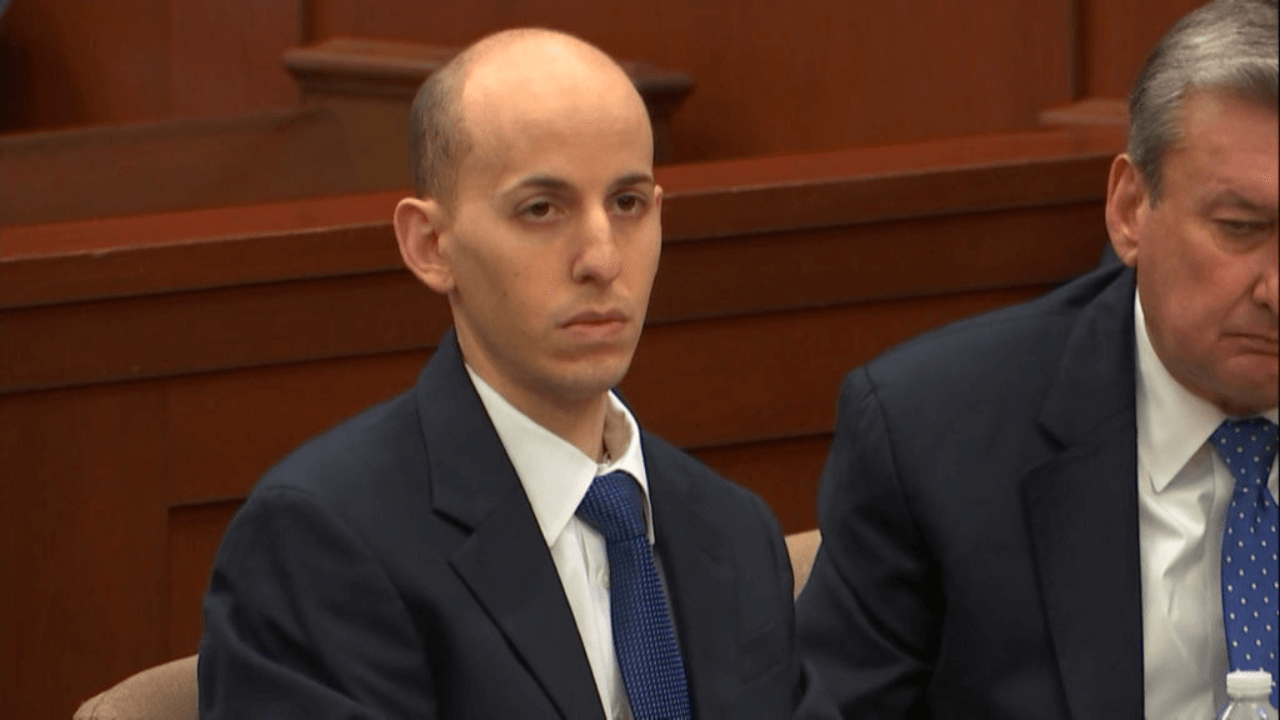
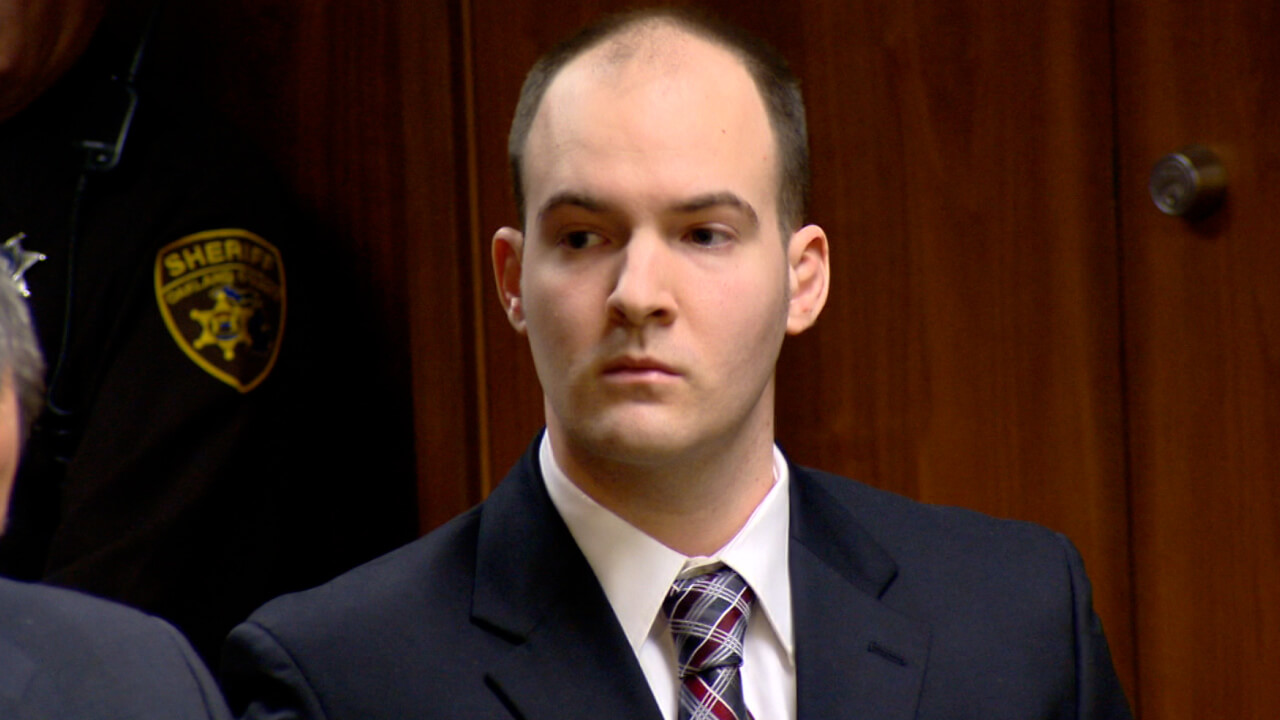
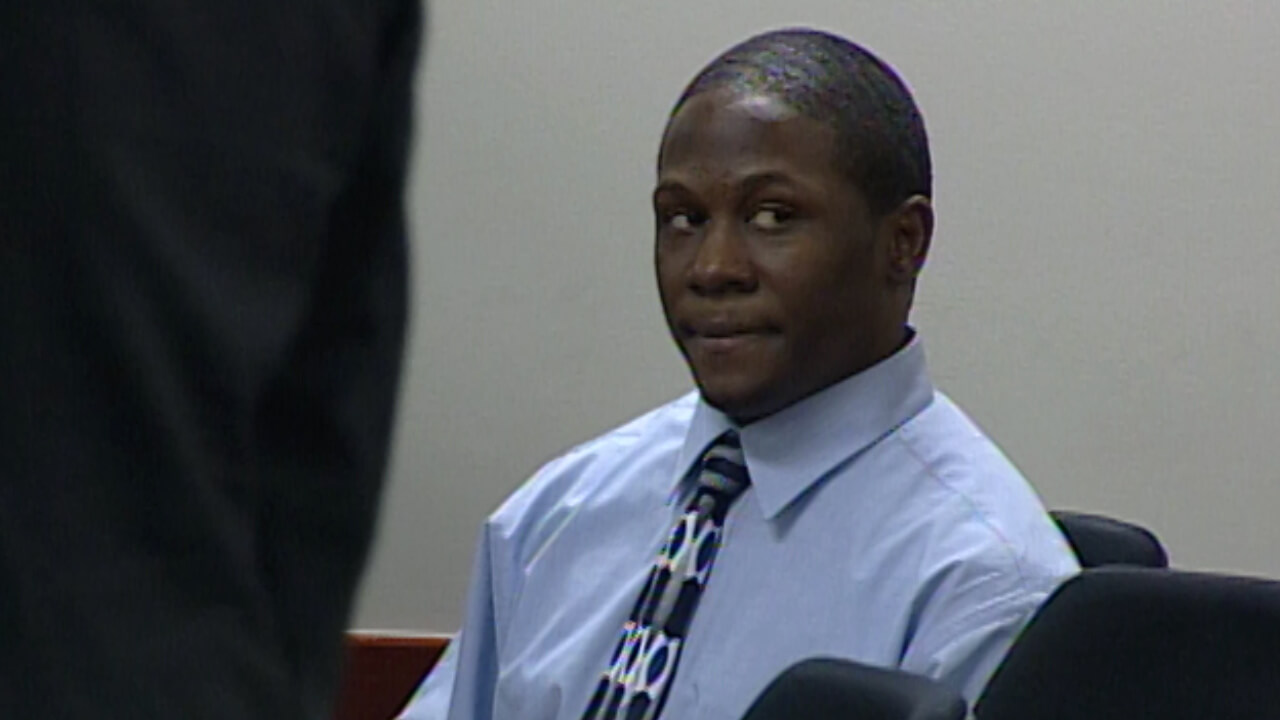
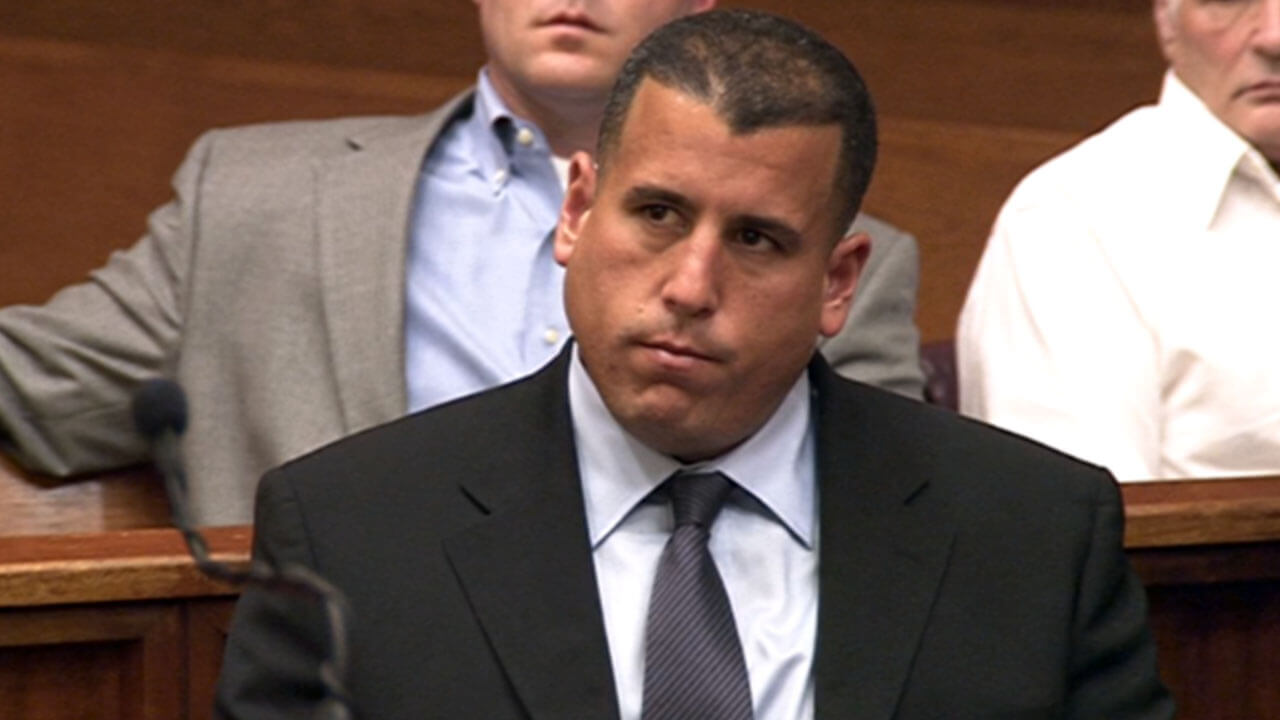
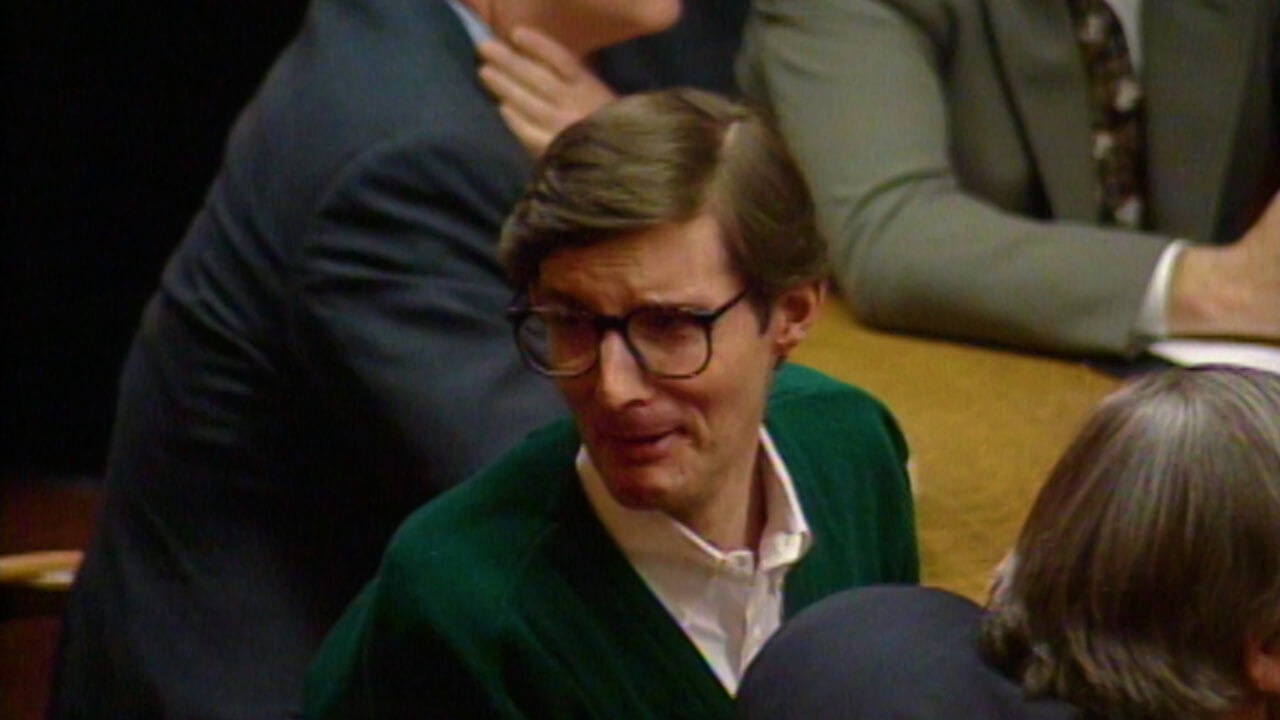
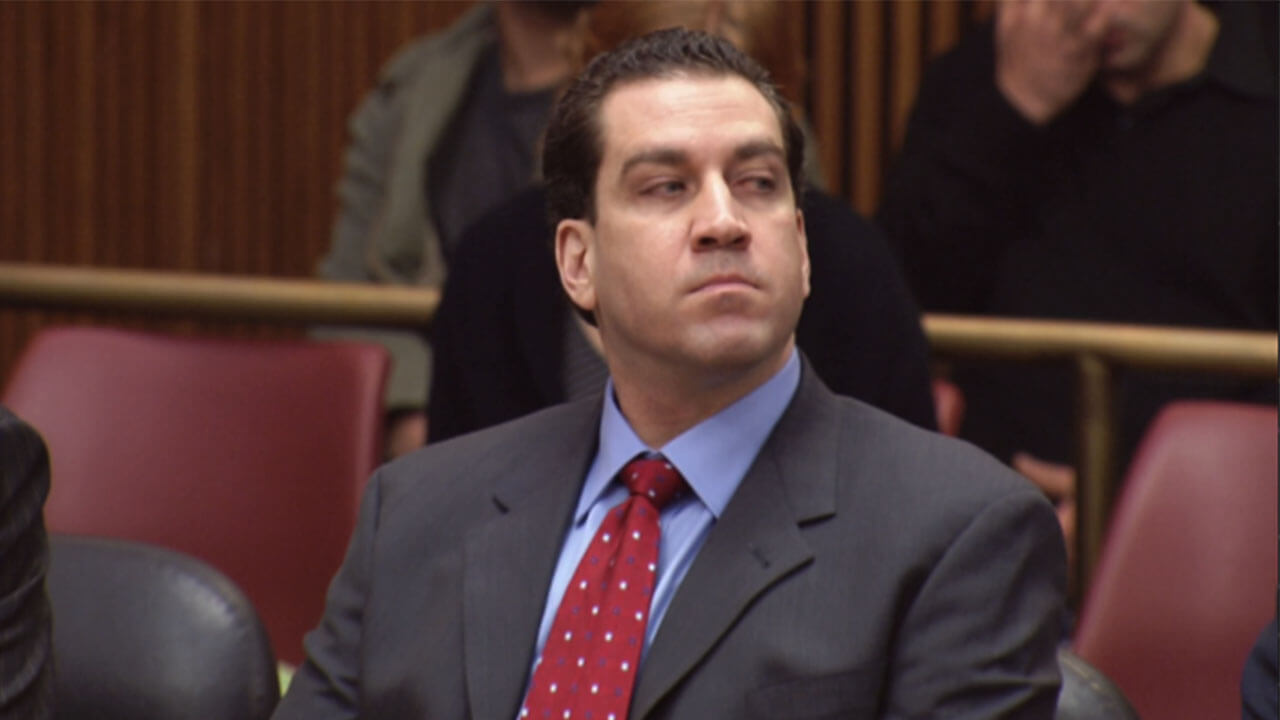
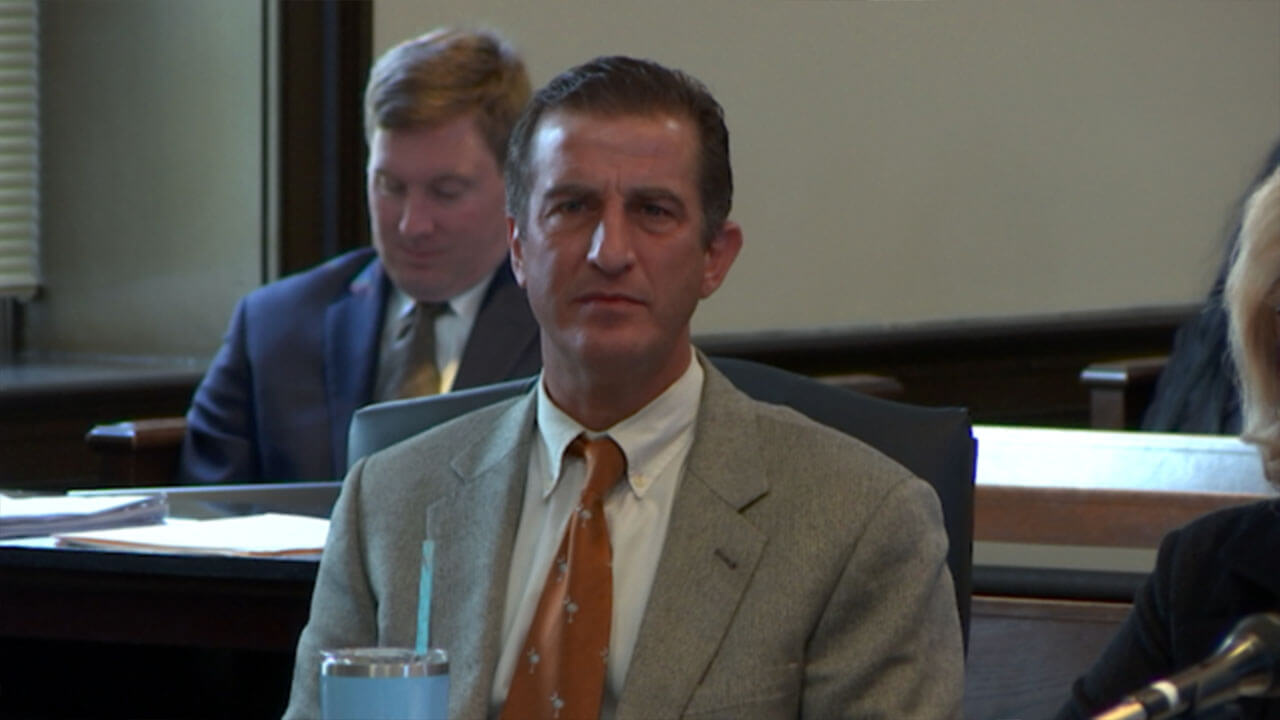
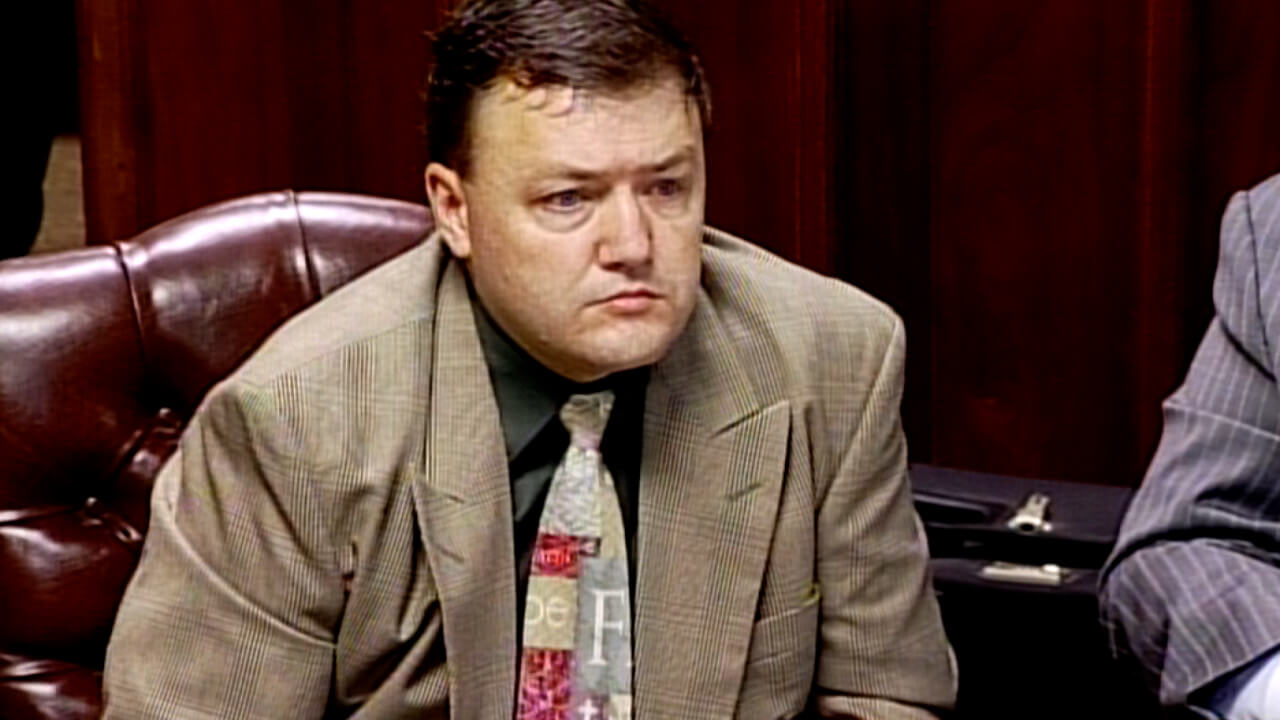
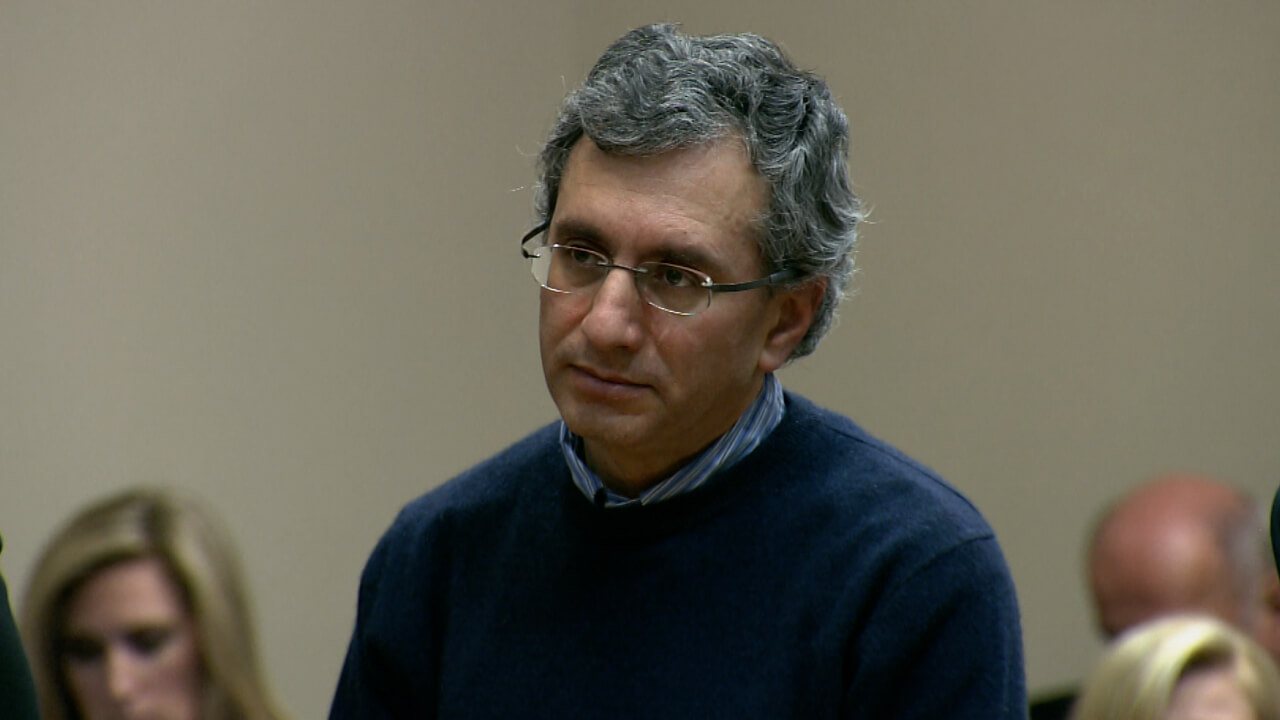
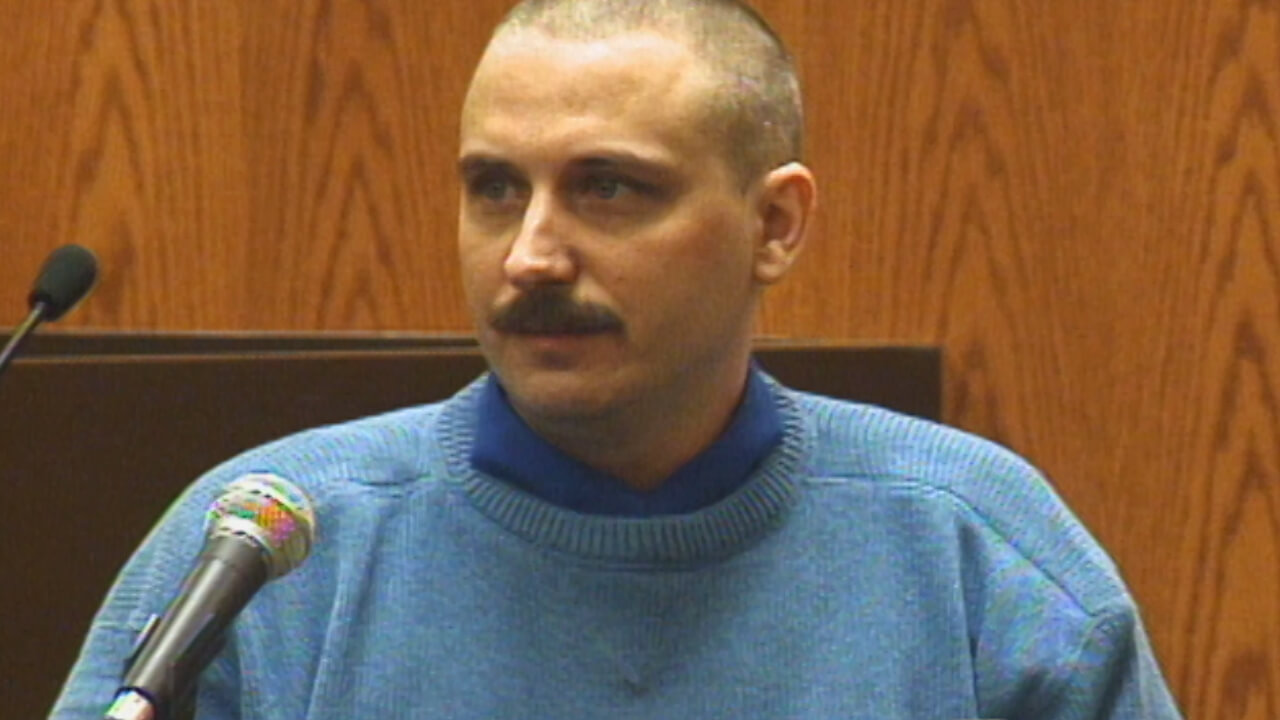
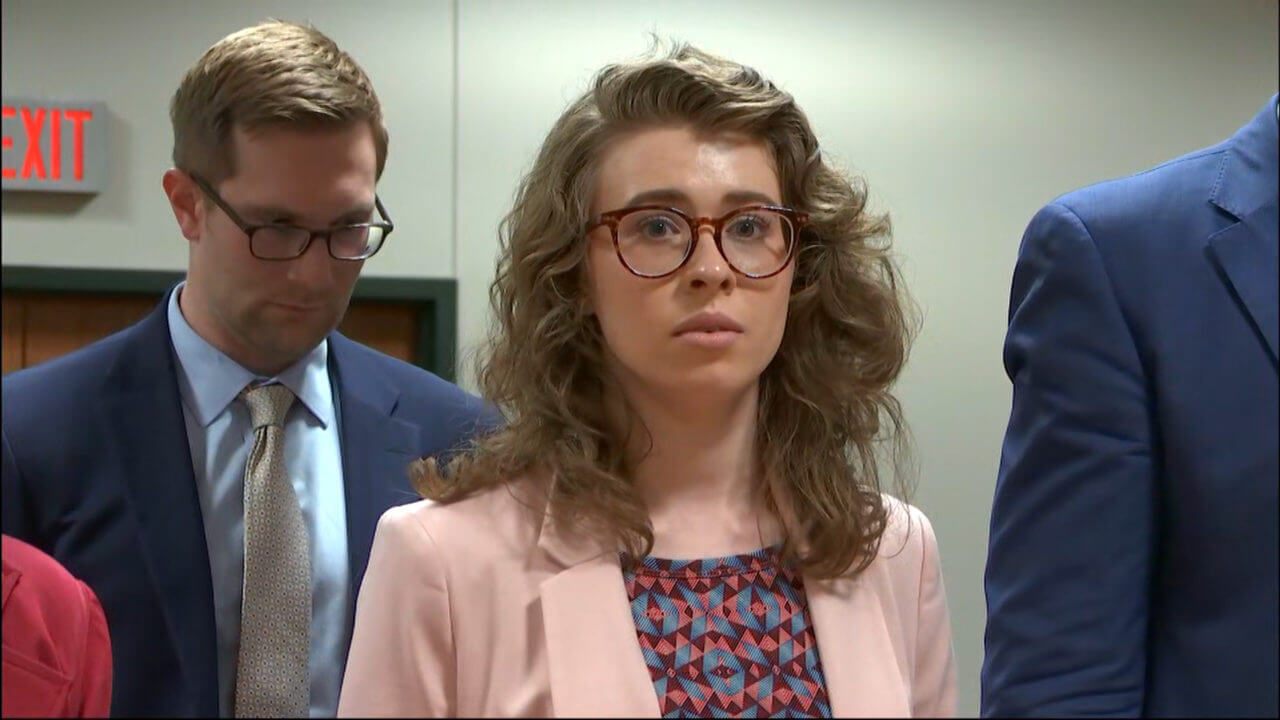
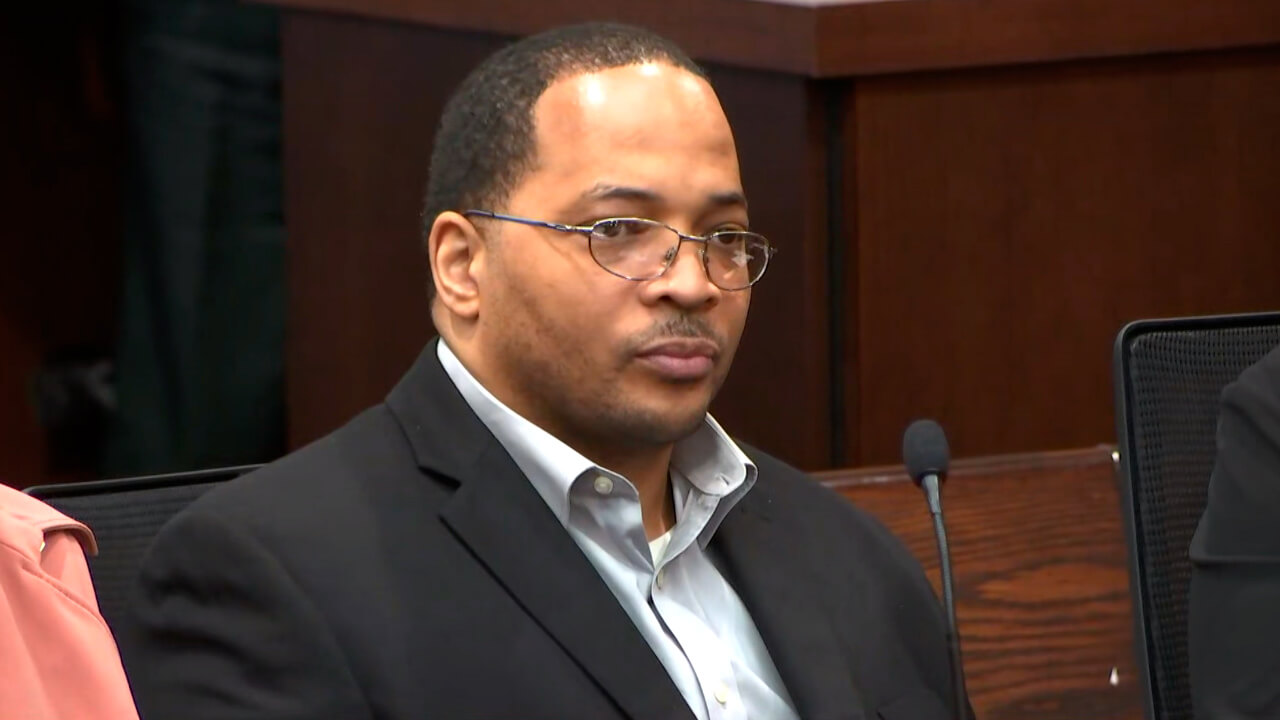
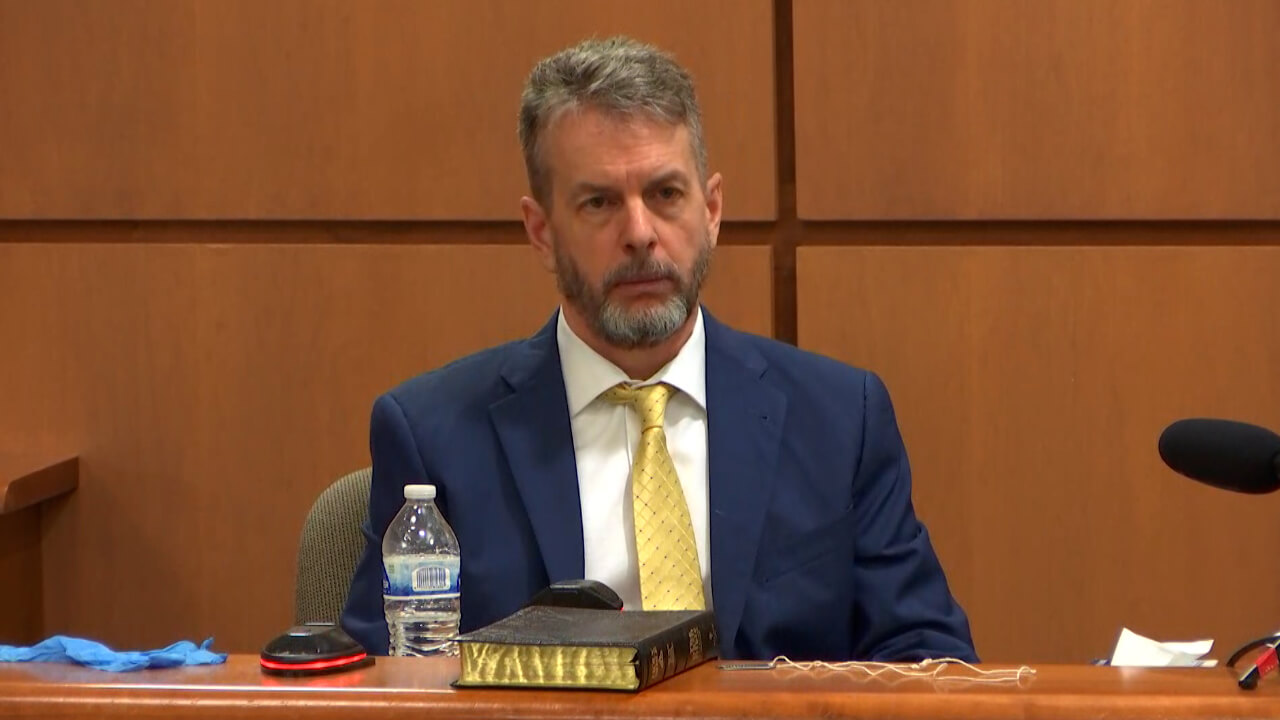
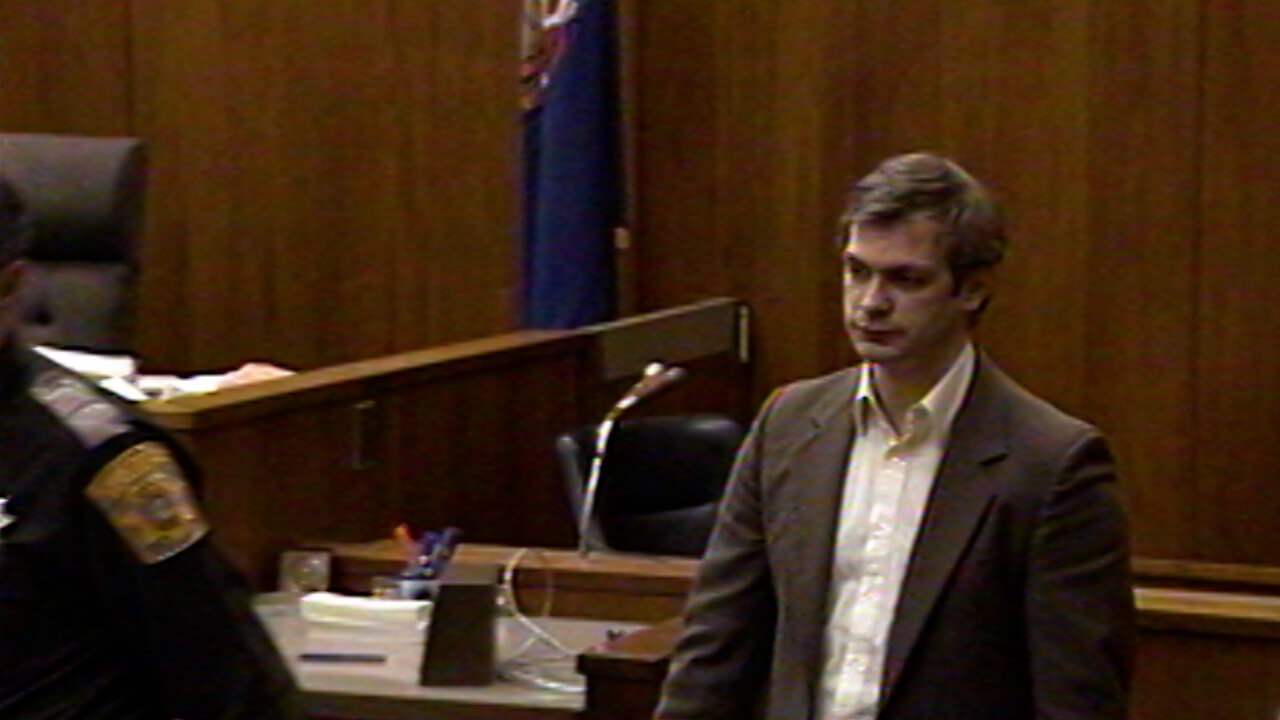
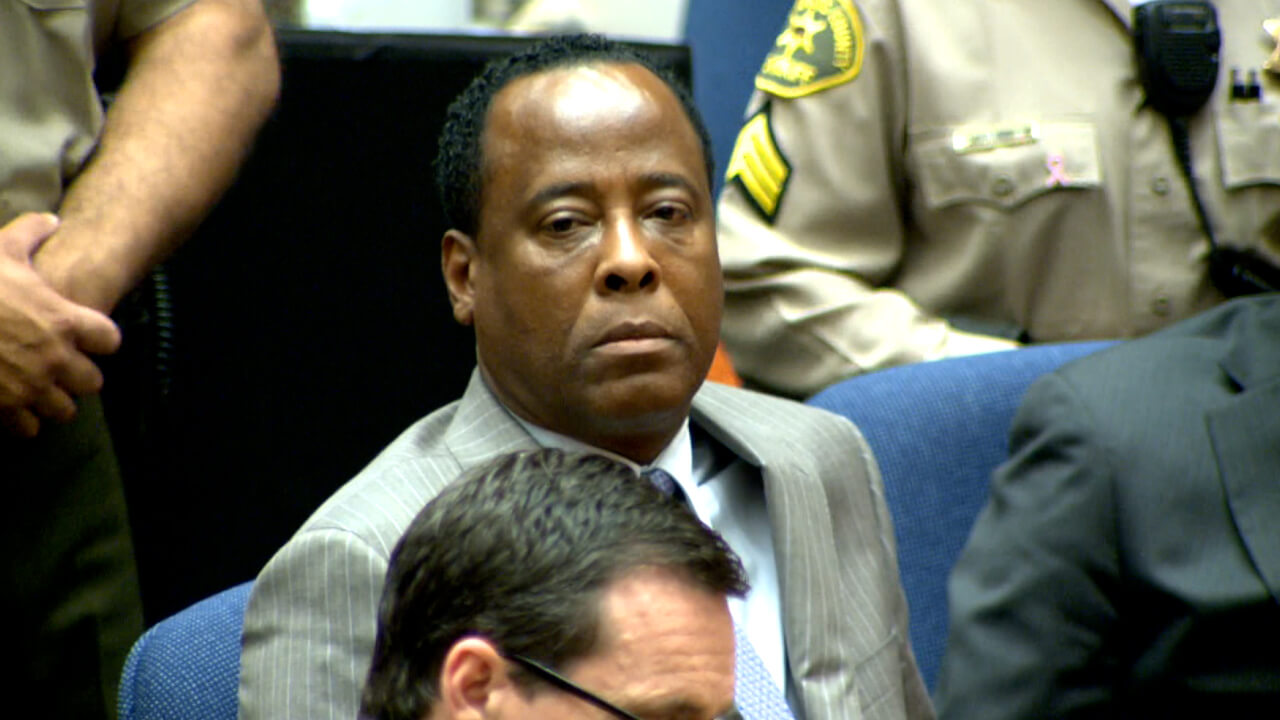
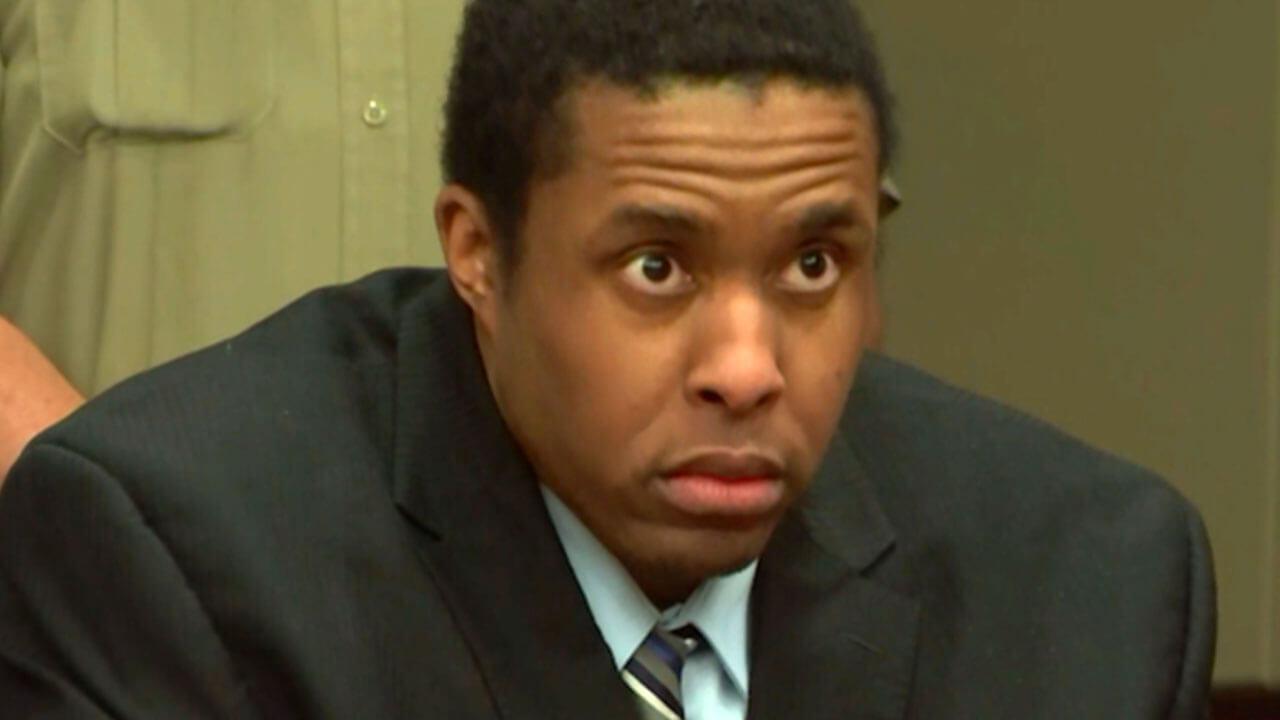
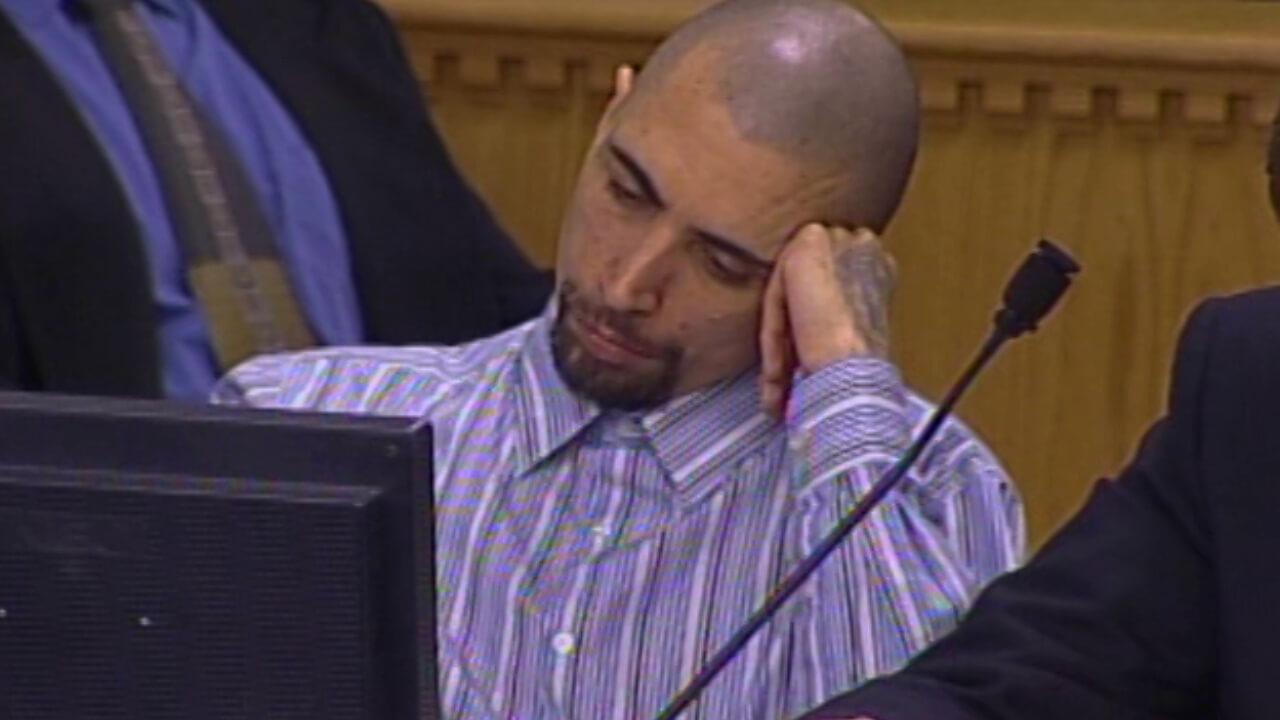
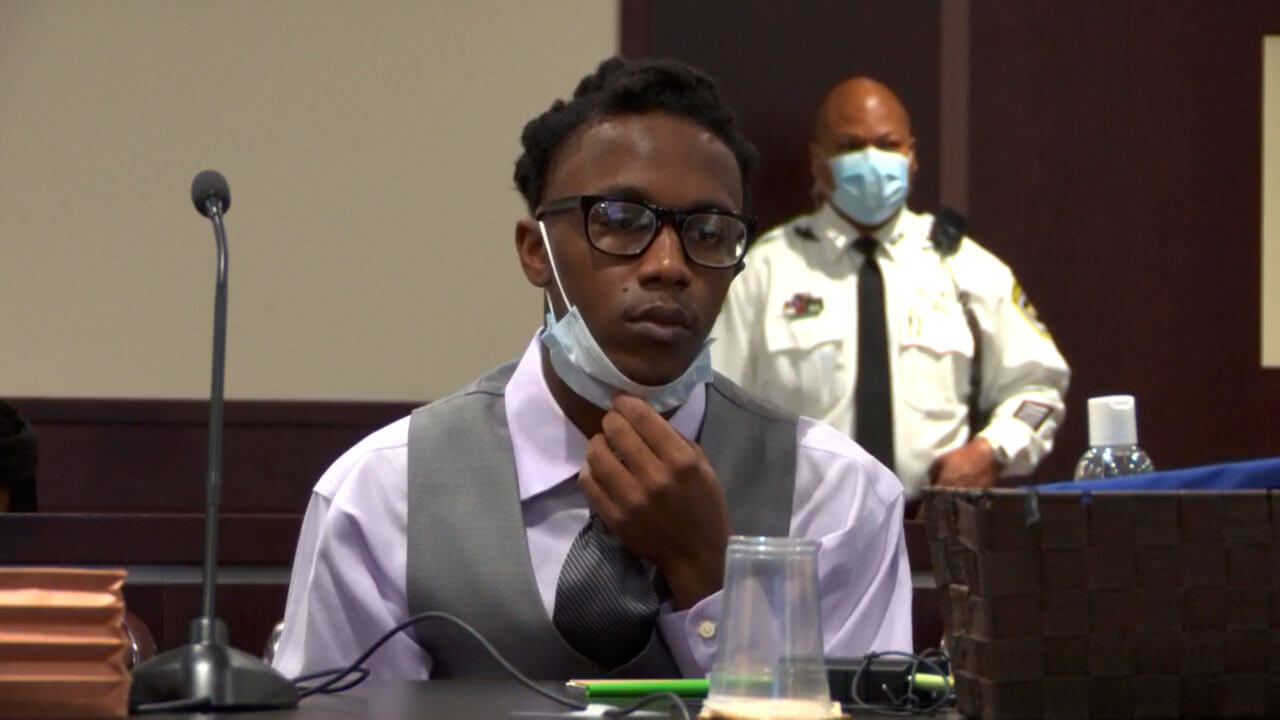
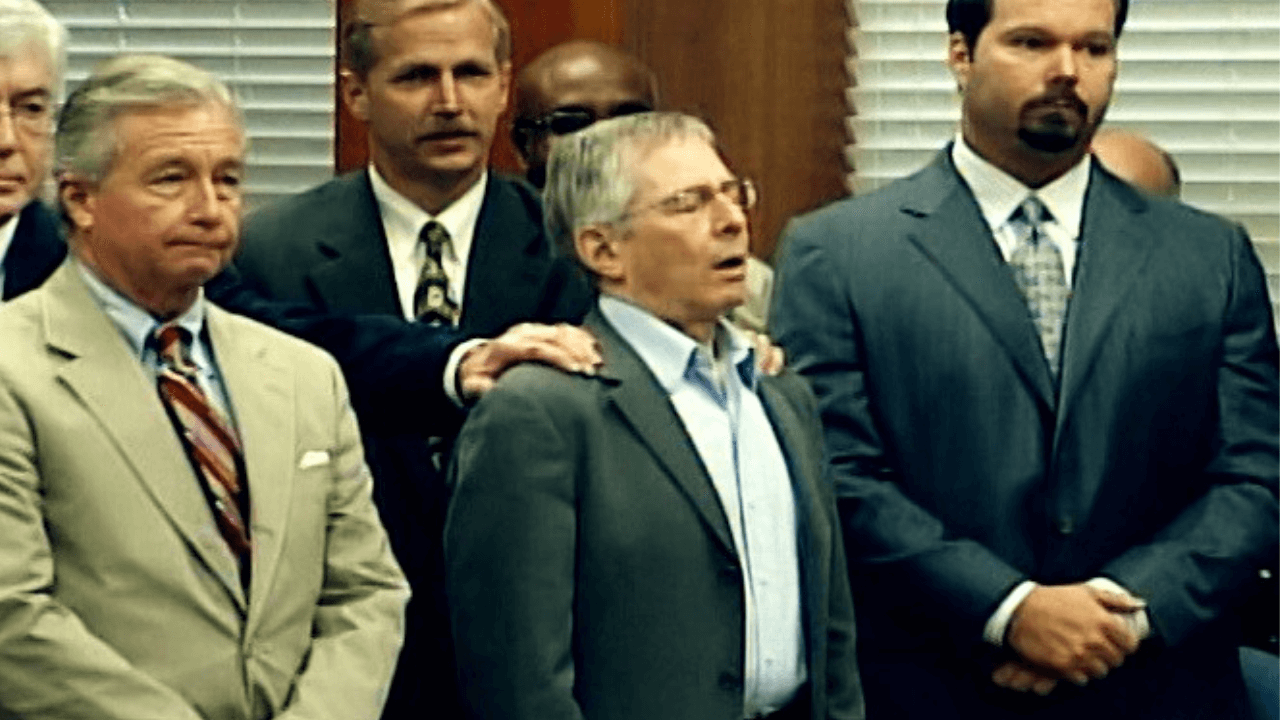
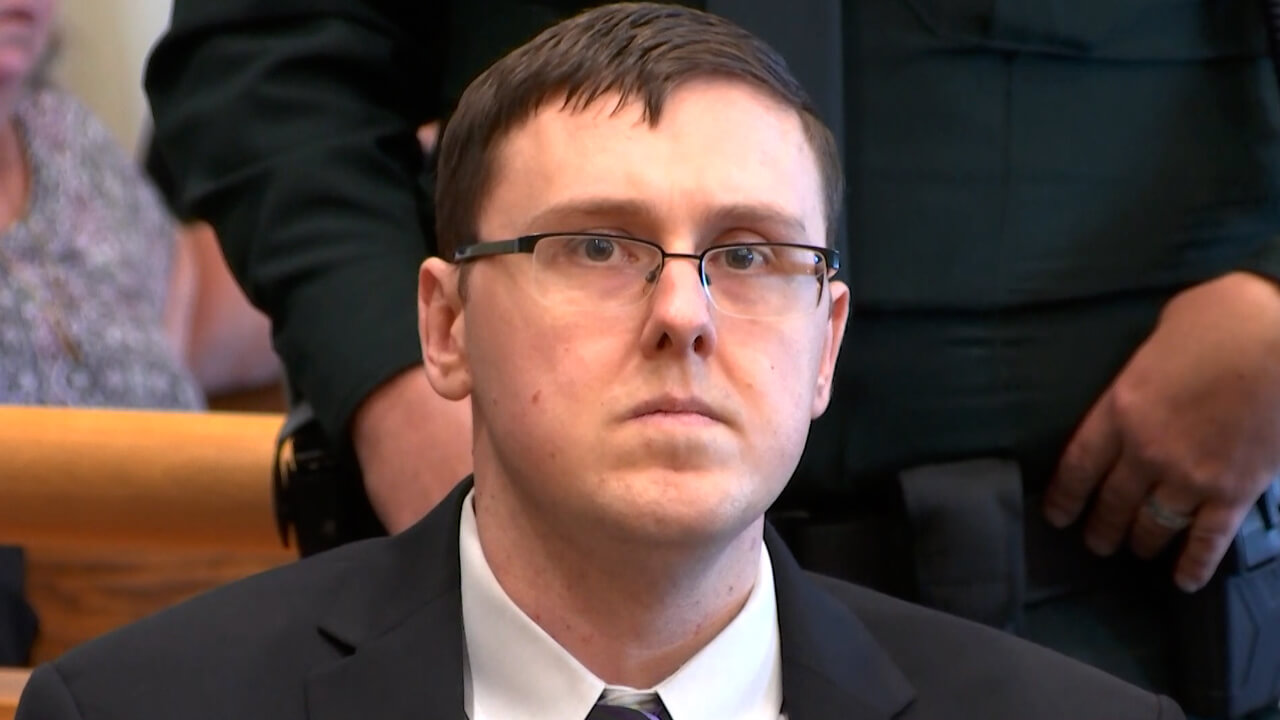
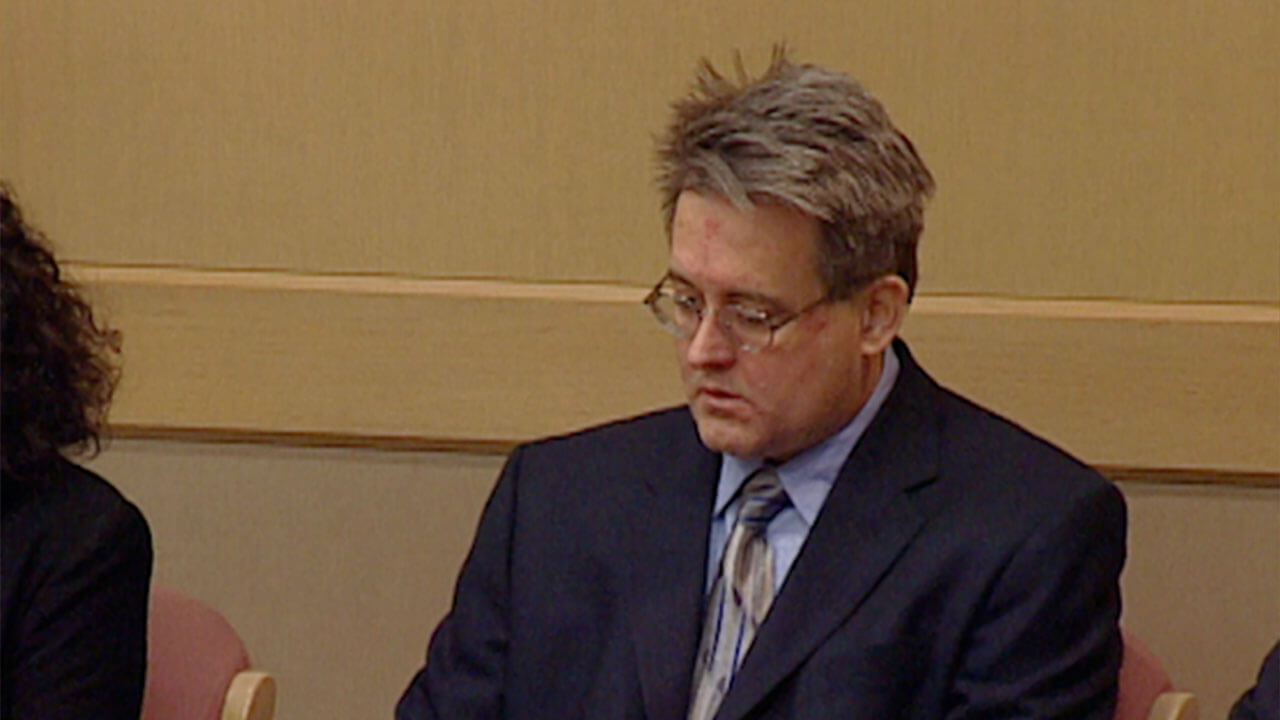
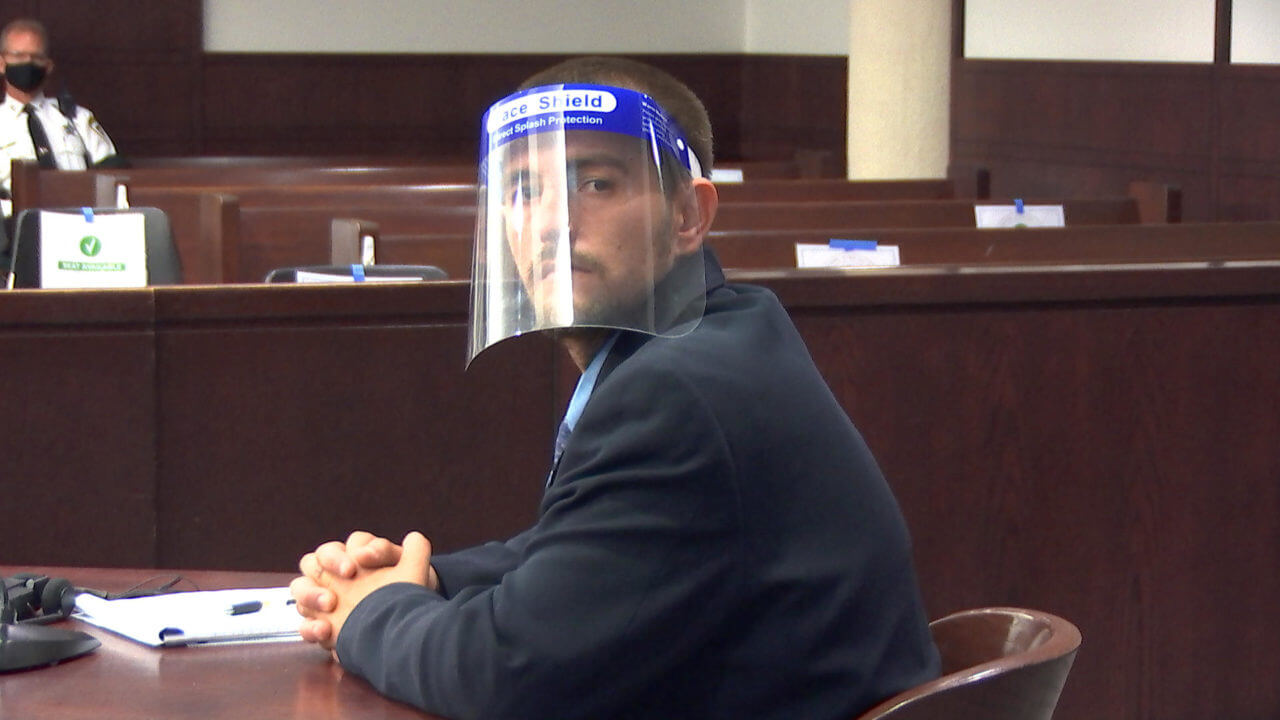
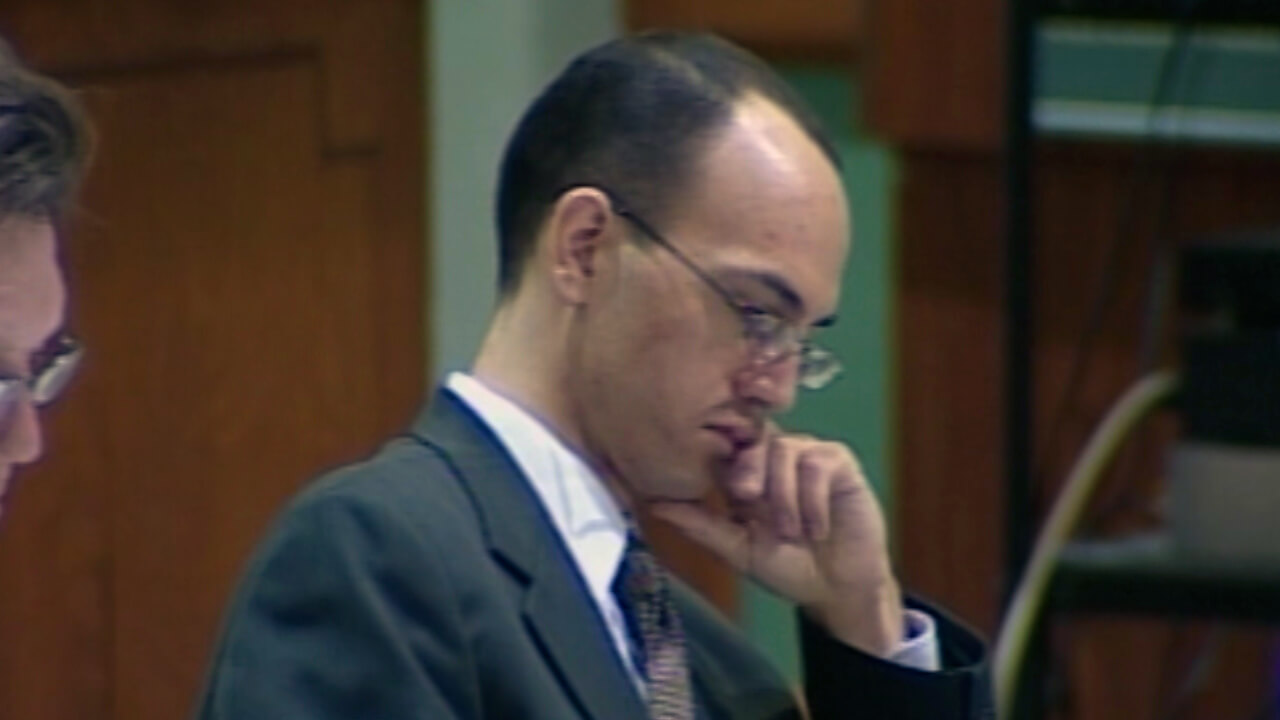
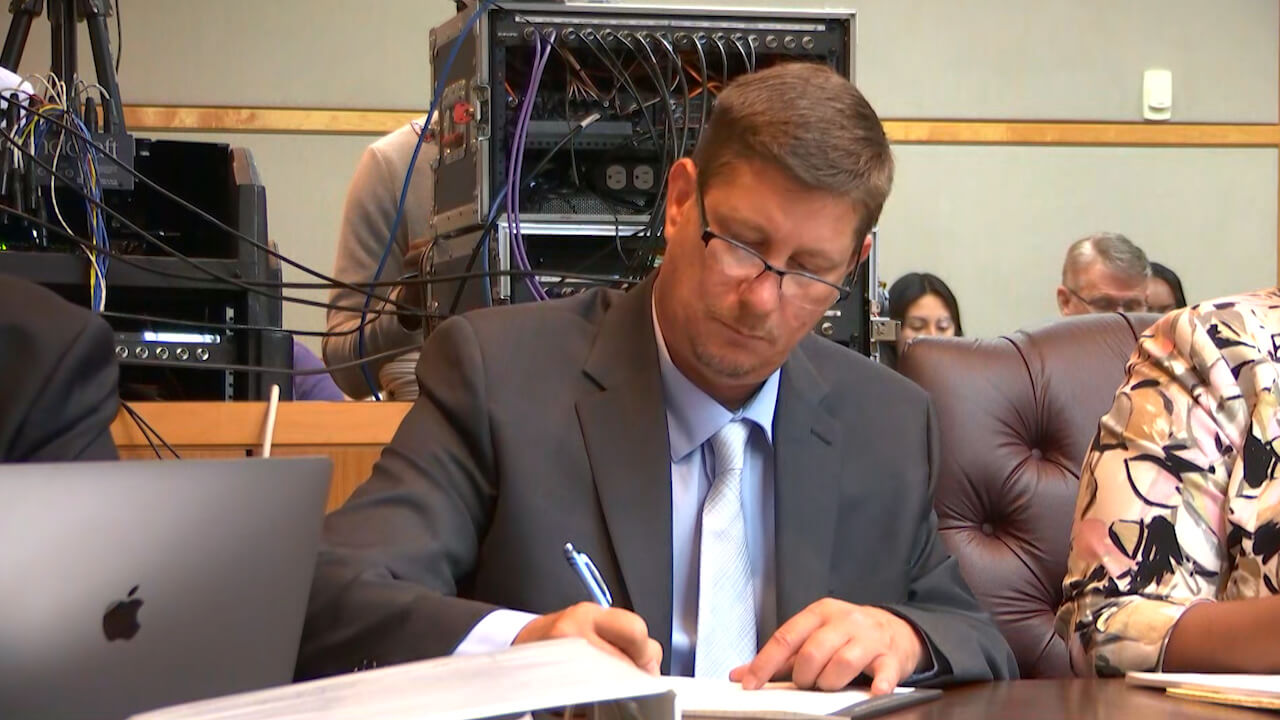
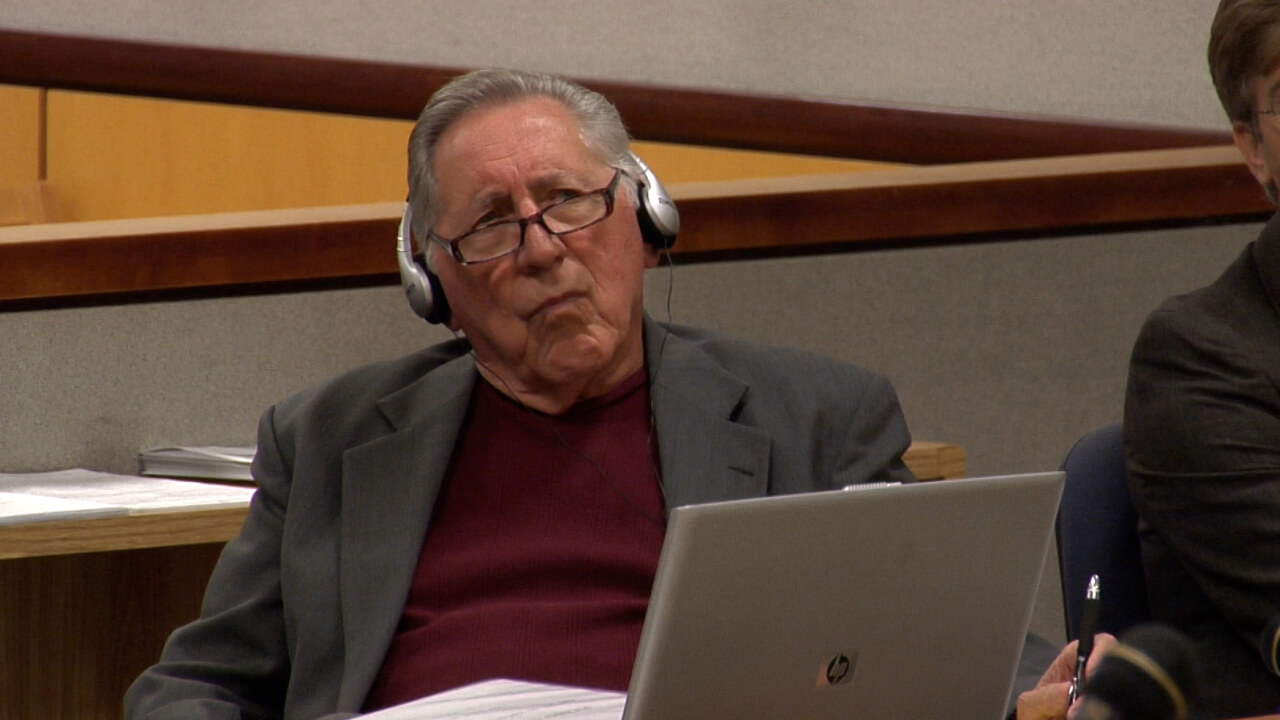
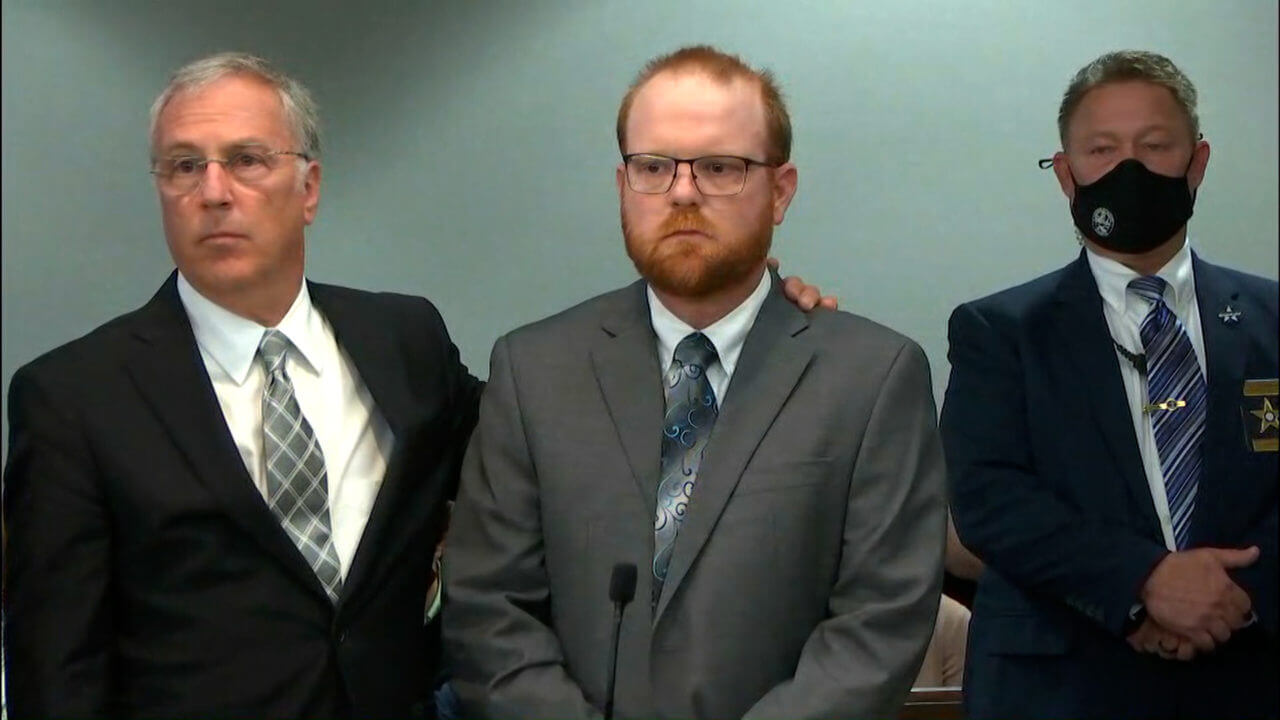
Labrador, 37, is a former talent and model agency executive from New York
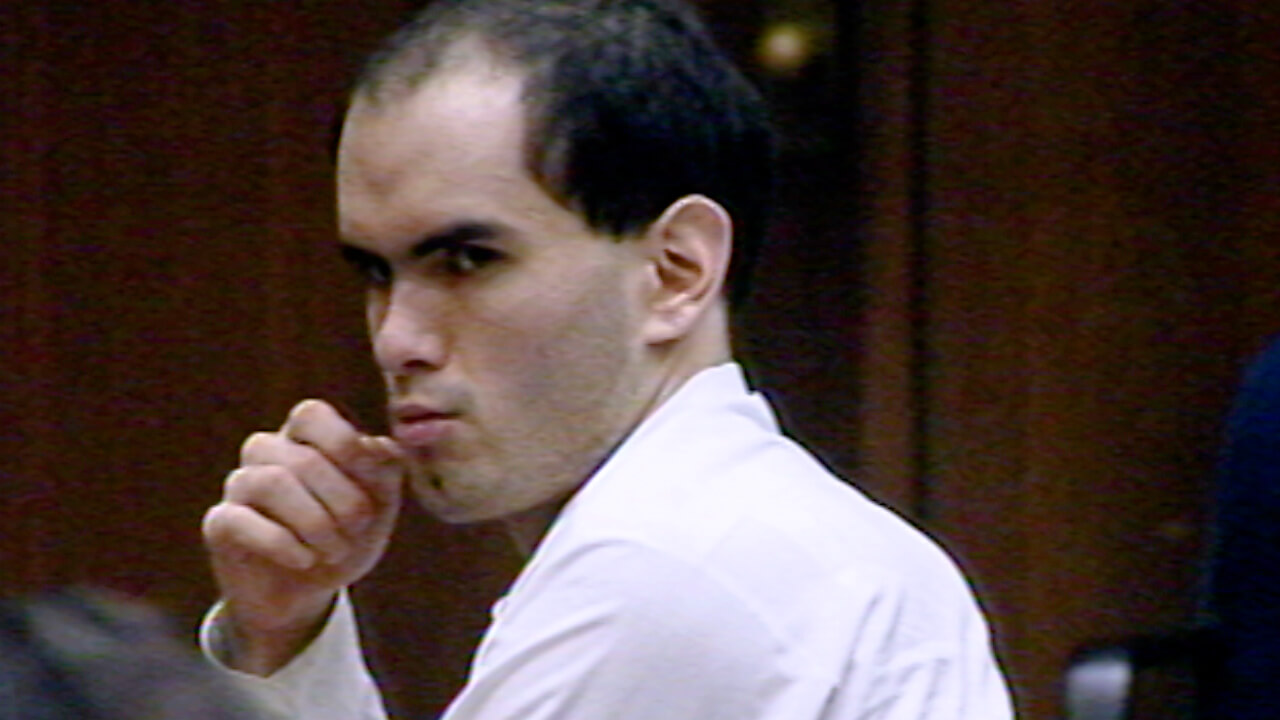
City and Southampton, N.Y. His childhood friend, 35-year-old Alexander
Benedetto of New York, dated McMillen for several months in 1997. Both were
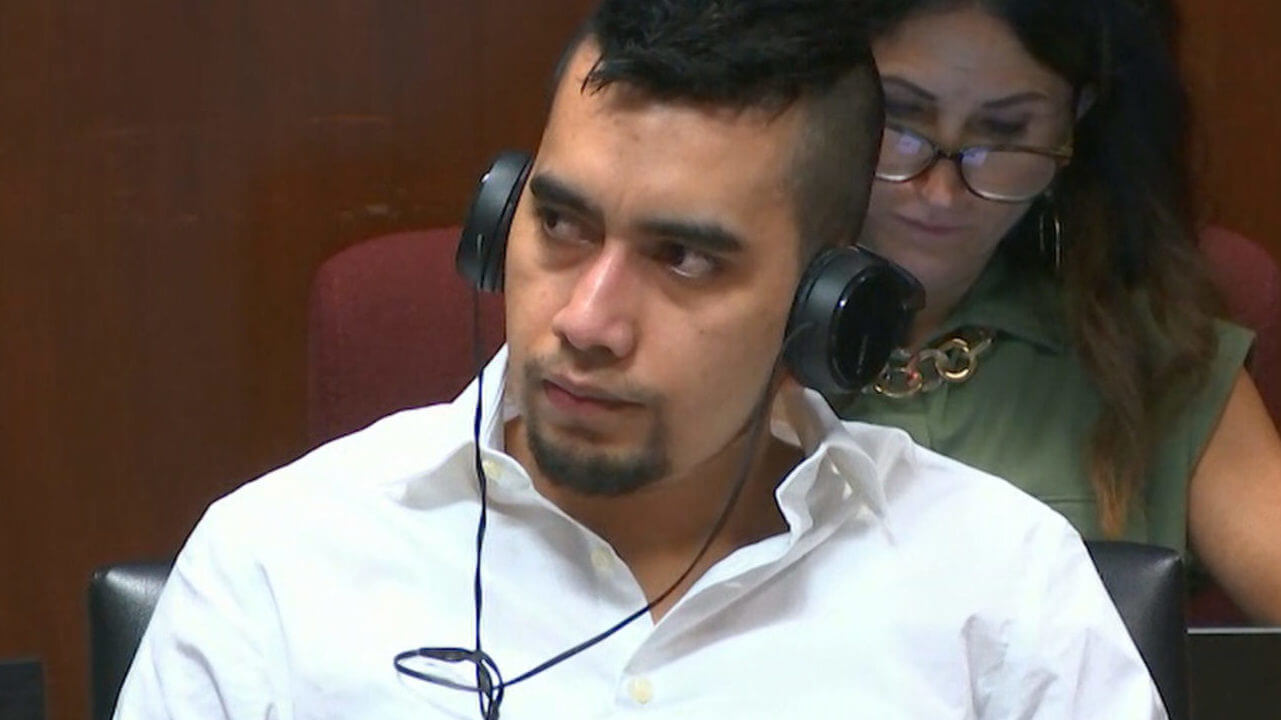
staying at the vacation home here belonging to the family of Michael Spicer
of Charlottesville, Va., a 37-year-old law school graduate who knew McMillen
for about 20 years. George, 23, lives in a Washington, D.C., apartment owned
by Spicer.
With no physical evidence to link the men to McMillen or the crime scene on
the night she was killed, the defense argued, it would be wrong legally for
Benjamin to let the jury return verdicts. It would be a travesty of justice,
the lawyers said, if convictions were based solely on the testimony of a
prison informant who offered a story about a vague confession by Labrador
that does not fit other evidence presented through 24 prosecution witnesses.
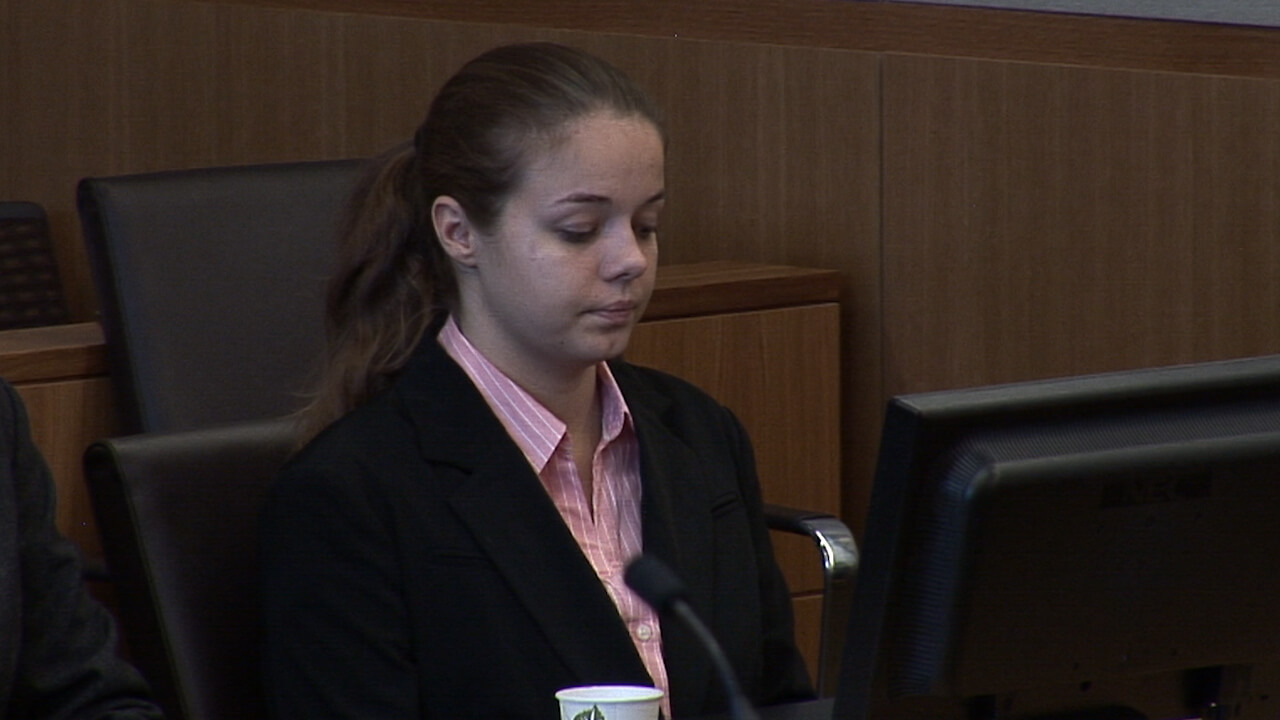
The defense also argued that the prosecution could not even support its
claims that there was blood on a shirt and that a pair of wet and sandy
shoes which one police officer testified was neither wet nor sandy
matched the crime scene.
Prosecutors countered that even if Benjamin found Plante's testimony
incredible, case law mandates that the judge set aside his own opinions of
the evidence and let the jury decide if Plante lied. And because an expert
testified that 15 percent of .2 grams of sand found in one of Spicer's
sneakers probably came from the same shoreline where the body was found,
Williams said he is sticking to his claim that the sand matched the crime
scene.
Guerra and Williams read several court opinions about weak or largely
circumstantial cases that were properly sent to the jury to back their
argument that Benjamin has a duty to let jurors decide this case. Between
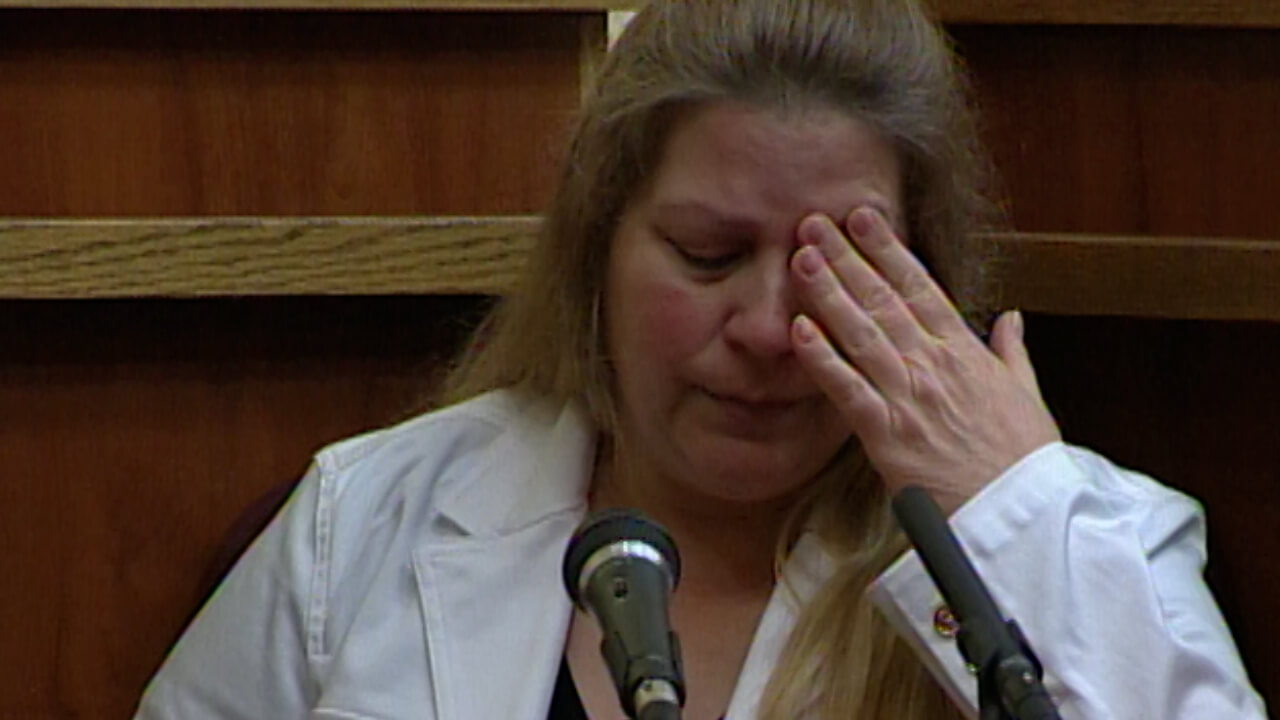
the testimony of Plante, the sand evidence and the testimony of a police
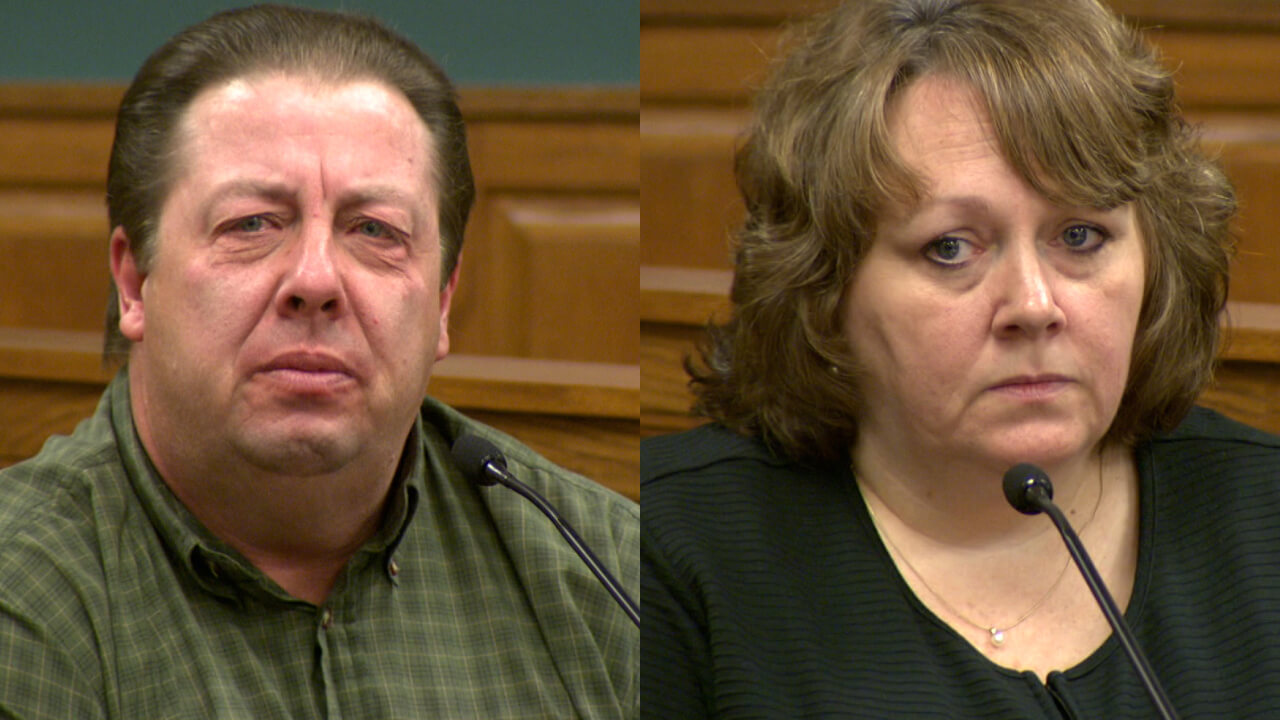
officer that the men did not contact Russell McMillen and Josephine McMillen to
offer condolences over the death of their daughter, prosecutors contend they
gave the jury plenty of information to reach lawful verdicts of guilty or
not guilty.
This week the prosecution is expected to finish its arguments objecting to the defense
motions that there was "no case" for the accused to answer. After the
defense lawyers reply, Benjamin will rule whether to dismiss the charges
against any or all of the defendants.

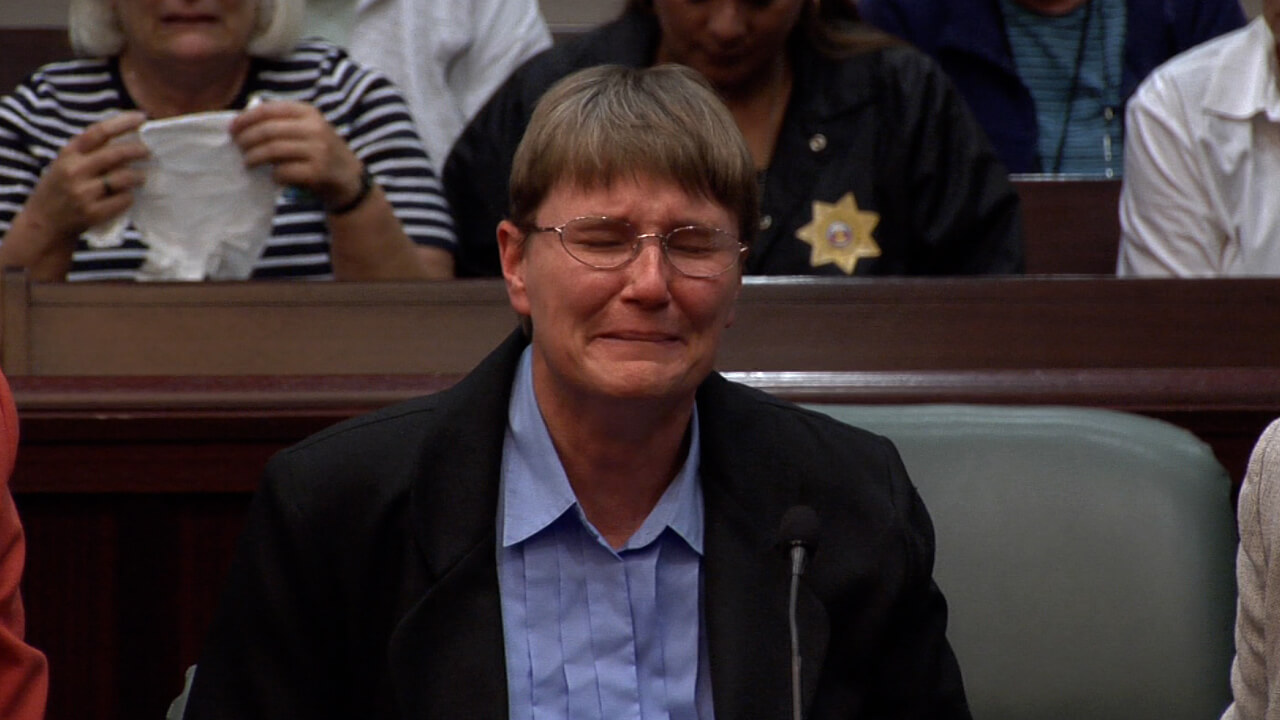
McMillen's fully clothed body, with one breast exposed, was found Jan. 15,
2000, laying face up on the rocky shoreline. She was last seen alive the
night before at a waterfront bar located about a mile and a half from the
crime scene.
Labrador told police he was alone at Spicer's house about the time police
believe McMillen was killed. Spicer, Benedetto and George said they were at
a beach front bar on the other side of this small eastern Caribbean island
when the murder was committed.
|